
Sciatica can cause pain that travels from your lower back into your buttock and down your leg. For some people, it feels like a mild ache, while others experience sharp, shooting pain, tingling, numbness or weakness. These symptoms can make everyday activities like sitting, walking, driving and sleeping more difficult.
The good news is that most cases of sciatica improve with conservative treatment and time. Understanding what may be causing your symptoms, staying active and finding the right treatment approach can help you manage pain and return to your usual activities.
What Is Sciatica?
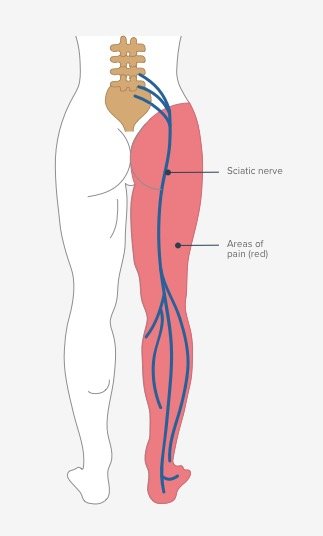
Sciatica describes symptoms that occur when the sciatic nerve or its nerve roots become irritated or compressed. The sciatic nerve is the largest nerve in the body. It forms from several nerve roots in the lower spine, travels through the buttock and runs down the back of each leg.
When one of these nerve roots becomes irritated, symptoms can develop along the pathway of the nerve. This may include:
Pain in the lower back, buttock or back of the leg
Sharp, burning or shooting pain that travels down the leg
Tingling or pins and needles
Numbness in the leg or foot
Muscle weakness in more significant cases
Sciatica typically affects one side of the body, although symptoms can vary depending on the underlying cause.
What Causes Sciatica?
Sciatica is often related to irritation or compression of a nerve root in the lower spine. Some common causes include:
Disc herniation: The discs between the vertebrae act as cushions and help absorb load through the spine. If the inner material of a disc pushes through its outer layer, it can irritate or compress a nearby nerve root.
Spinal stenosis: This refers to narrowing of the spaces within the spine. As these spaces become smaller, they can put pressure on the nerves travelling through them.
Age-related changes: Changes to the joints, discs and other structures of the spine can sometimes contribute to nerve irritation.
Other sources of nerve irritation: In some cases, symptoms may be related to structures outside the spine, including muscles and tissues around the hip and buttock.
Identifying the source of your symptoms can help guide treatment and determine which activities or exercises are most appropriate.
How to Stop Sciatica Pain: What Can Help?
There isn't one treatment that works for everyone with sciatica. The best approach depends on the cause of the symptoms, their severity and how they are affecting your daily activities.
A few strategies that may help include:
1. Keep Moving When You Can
Although it may be tempting to rest when pain is severe, prolonged bed rest is generally not recommended. Gentle movement can help maintain mobility and prevent the stiffness and deconditioning that can develop when you avoid activity.
Try short walks or change positions regularly throughout the day. You may need to temporarily modify activities that significantly increase your symptoms, but aim to gradually return to your normal routine as you improve.
2. Find Comfortable Positions
Sitting or standing in one position for too long can aggravate symptoms for some people. Experiment with different positions and take regular movement breaks.
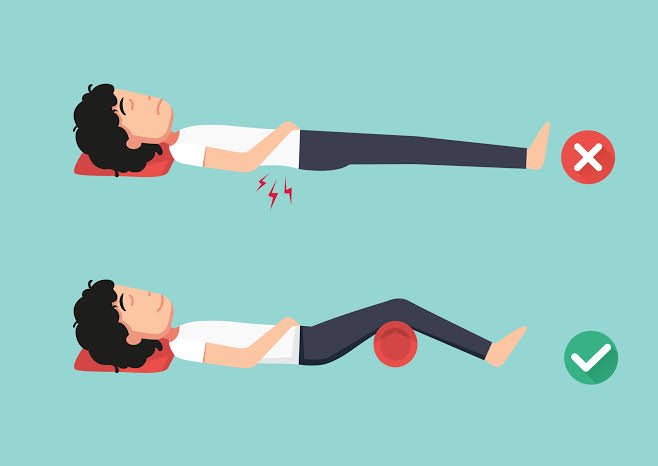
Some people find relief lying on their back with their knees supported by pillows, while others prefer lying on their side with a pillow between their knees. There is no single position that works for everyone, so focus on what feels most comfortable.
3. Try Heat or Ice
Heat may help relax surrounding muscles and provide temporary relief from discomfort. Ice can also help settle pain for some people, particularly when symptoms feel irritated.
Try either option for approximately 15–20 minutes at a time, using a towel or barrier to protect your skin.
4. Gradually Return to Exercise
Avoiding all activity can make it harder to rebuild strength and tolerance for everyday movement. As symptoms settle, gradually reintroducing exercise can help improve mobility, strength and overall function.
A physiotherapist can help determine which activities are appropriate and how to progress them without unnecessarily aggravating your symptoms.
Exercises for Sciatica Pain
The right exercises for sciatica pain will depend on what is contributing to your symptoms. Some movements may provide relief, while others may increase irritation.
The following exercises are examples of gentle movements that may be helpful for some people:
1.Walking
Walking is a simple way to maintain activity without placing excessive demands on the body. Start with shorter distances and gradually increase your walking time as tolerated.
Lie on your back with your knees bent and feet flat on the floor. Gently tighten your abdominal muscles and tilt your pelvis to flatten your lower back towards the floor. Relax and return to your starting position.
Repeat slowly and comfortably.
Lie on your back with both knees bent. Slowly bring one knee towards your chest, using your hands to support it if needed. Hold briefly before returning to the starting position.
Only move as far as feels comfortable, and stop if the movement increases pain travelling down your leg.
Nerve gliding exercises are designed to encourage the sciatic nerve to move smoothly through the surrounding tissues. These movements are different from traditional stretches and should be performed gently rather than forcing the nerve into a prolonged stretch.
A physiotherapist can show you the appropriate technique and determine whether nerve glides are suitable for your symptoms.
Remember that exercises should not cause a significant increase in pain, numbness or tingling. If symptoms worsen or travel further down your leg, stop the exercise and seek guidance.
Who Can Treat Sciatica Pain?
If you're experiencing ongoing or recurring sciatica symptoms, a physiotherapist can be a good starting point.
Physiotherapists assess your movement, strength, mobility and symptoms to help determine what may be contributing to your pain. Treatment may include:
Individualized exercises to improve strength and mobility
Education on managing symptoms and modifying aggravating activities
Hands-on treatment like manual therapy and dry needling when appropriate
Gradual progression back to work, exercise and everyday activities
Your family doctor or another medical professional can also assess your symptoms, review potential causes and determine whether medication, imaging or referral to a specialist is necessary.
Most people do not require surgery. However in rare cases, if symptoms are severe, persistent or associated with significant neurological changes, further medical assessment may be recommended.

When Should You Seek Medical Attention?
While many cases of sciatica improve with conservative care with 8-12 weeks, certain symptoms should not be ignored.
Seek emergency medical attention if you experience:
New loss of bladder or bowel control
Difficulty starting or maintaining urination
Numbness around the groin, inner thighs or saddle area
Significant or rapidly worsening weakness in one or both legs
These symptoms can indicate serious compression of the nerves in the lower spine called cauda equina and require urgent assessment.
You should also arrange a medical assessment if your pain is severe, continues to worsen, or is not improving over time.
Getting Back to Moving Comfortably
Sciatica can be frustrating, particularly when it interferes with sitting, sleeping, working or staying active. However, most people improve without surgery.
Staying gently active, finding ways to manage your symptoms and gradually rebuilding strength can all play a role in recovery. If you're unsure where to start, a physiotherapist can help identify what may be contributing to your symptoms and develop a treatment plan that fits your needs.
If you're dealing with sciatic nerve pain, our physiotherapy team can help you find a manageable path forward and work towards getting back to the activities you enjoy.