
As we get older, staying active becomes increasingly important for maintaining strength, mobility and independence. Everyday activities like walking, climbing stairs, getting up from a chair and carrying groceries all require a combination of muscle strength, balance and coordination.
However, as we age, we may start to notice that some of these activities become a little more challenging. We might feel less steady when walking on uneven ground, find it harder to get up from the floor or become more cautious when moving around.
These changes can happen gradually, but they don't mean we have to stop doing the activities we enjoy. Regular strength and balance training can help maintain physical function, improve confidence and reduce the risk of falls.
Why Does Strength and Balance Change as We Age?
As we get older, we naturally begin to lose some muscle mass and strength. This process is known as sarcopenia. It can affect our ability to generate force, control our movements and complete everyday activities.
Muscle strength is particularly important through the legs, hips and core. These muscles help support our joints, maintain our posture and allow us to move safely. When strength declines, activities like climbing stairs, standing from a chair or recovering from a stumble can become more difficult.
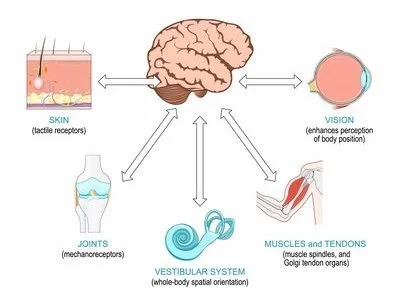
Balance also relies on several systems working together:
Muscle strength: Our muscles help control our movements and keep us stable.
Vision: Our eyes provide information about our surroundings and help us navigate obstacles.
The Vestibular System: Located in the inner ear, this system helps us understand our head position and movement.
Proprioception: This is our body's ability to sense the position of our joints and limbs without needing to look at them.
Changes in any of these systems can affect our balance. When combined with reduced muscle strength or slower reactions, it may become more difficult to correct our position if we trip, slip or lose our footing.
Why Is Falls Prevention Important?
Falls are a common concern as we age and can have a significant impact on our health and independence. Even a single fall can result in injuries such as fractures, sprains, head injuries, or hospitalization.
There can also be effects beyond the physical injury. After experiencing a fall, some people become more hesitant to walk, go outside or participate in activities they previously enjoyed.
This can create a cycle where fear of falling leads to less physical activity, which contributes to further losses in strength and balance. Over time, this may actually increase the risk of another fall.
The goal of falls prevention isn't to avoid movement or become overly cautious. It's to maintain the strength, balance and confidence needed to continue moving safely and independently.
How Strength Training Helps
Strength training helps maintain muscle mass, improve physical function and build the capacity needed for everyday activities.
Stronger leg and hip muscles make it easier to stand from a chair, climb stairs, walk on uneven surfaces and control your body when changing direction. Strengthening your core can also help support your posture and stability.
You don't need to lift heavy weights or spend hours at the gym to see benefits. Exercises can be adapted to your current ability and gradually progressed as you become stronger.
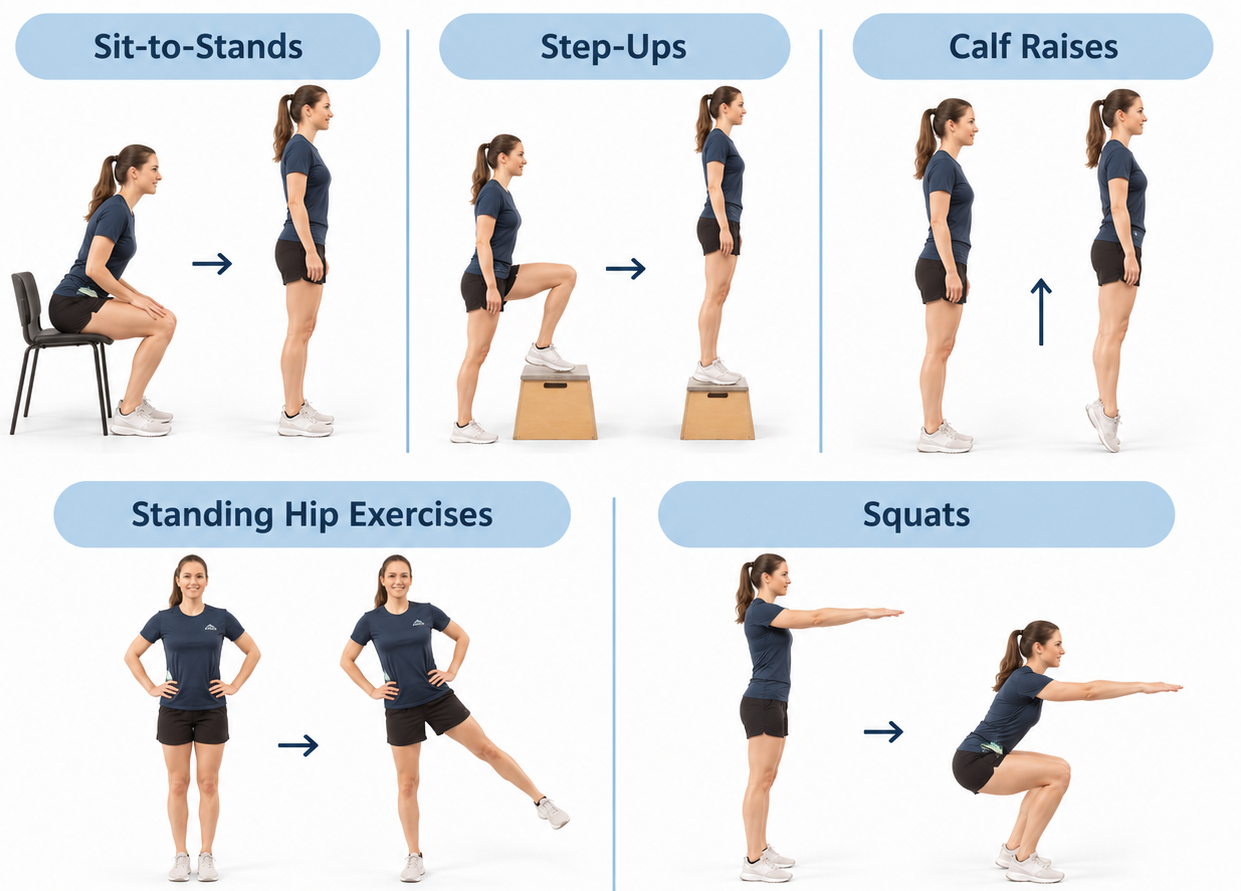
Some useful exercises include:
Sit-to-stands: Practise standing up from a chair and slowly sitting back down. This helps strengthen the muscles used for everyday transfers.
Step-ups: Step onto a low step and return to the starting position to build leg strength.
Calf raises: Rise onto your toes and slowly lower your heels. This strengthens the calf muscles, which help support walking and balance.
Standing hip exercises: Movements such as side leg raises help strengthen the muscles around your hips.
Squats: Controlled squats help build strength through your hips and thighs.
The important thing is to find exercises that are appropriate for your current fitness and mobility level and perform them consistently.
Why Balance Training Is Just as Important
Strength and balance work together, but they aren't exactly the same thing. Having strong muscles doesn't automatically mean you have good balance. Your body also needs to coordinate movement and respond to changes in your environment.
Balance training challenges the systems responsible for stability and helps your body practise controlling its position during different movements.
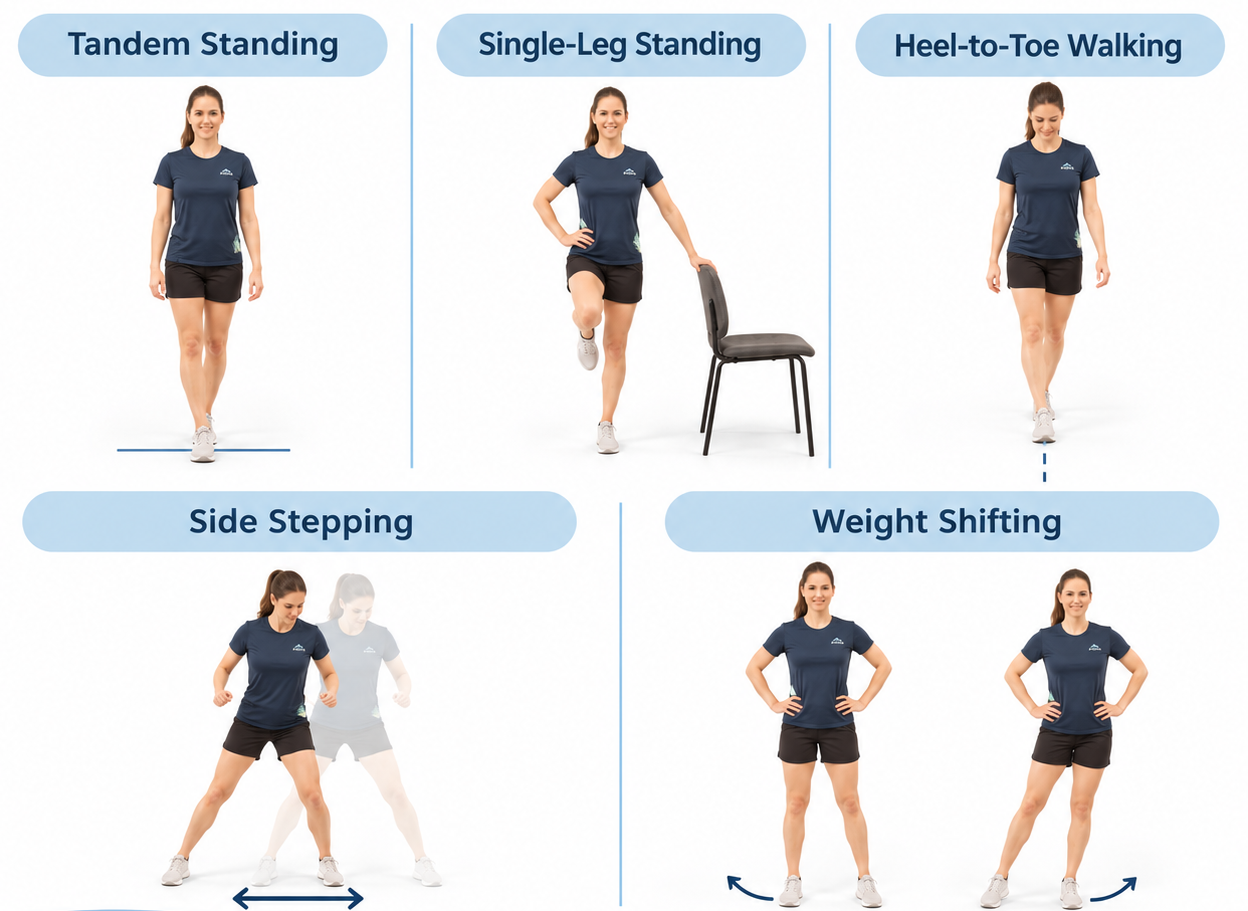
Some examples include:
Tandem standing: Stand with one foot directly in front of the other, as though standing on a tightrope.
Single-leg standing: Practise standing on one leg while keeping a sturdy surface nearby for support.
Heel-to-toe walking: Walk in a straight line, placing the heel of one foot directly in front of the toes of the other.
Side stepping: Take controlled steps sideways along a counter or sturdy surface.
Weight shifting: Gently shift your weight from one leg to the other while standing.
As your balance improves, these exercises can be gradually progressed by changing your foot position, reducing hand support or introducing more movement.
Safety is important. Start with exercises that match your ability and use a sturdy support nearby. If you have a history of falls or feel particularly unsteady, it's a good idea to have your balance assessed before attempting more challenging exercises.
Getting Started with the SAIL Exercise Program
If you're looking for a way to start working on your strength and balance at home, the SAIL (Strategies and Actions for Independent Living) Home Activity Program is a helpful resource.
SAIL includes three levels of exercises designed to accommodate different mobility and activity levels. Each level builds on the previous one, allowing you to start with movements that feel manageable and progress as your strength and confidence improve.
Level 1 focuses on exercises that can be completed while sitting in a chair. This is a good starting point for people who have difficulty standing for longer periods, feel less steady on their feet or are beginning to build their strength and mobility.
Level 2 introduces standing exercises. These movements help improve leg strength, posture and balance while allowing you to use a sturdy surface for support when needed.
Level 3 progresses to exercises that involve more movement and coordination. These activities challenge your balance further and help build the strength and control needed for everyday tasks like walking and changing direction.
The goal is to start at a level that matches your current abilities rather than trying to move through the program too quickly. As the exercises become easier and your confidence improves, you can gradually progress to the next level.
You can find the SAIL exercise videos for all three levels below:
SAIL Level 1 – Sitting: Click Here
SAIL Level 2 – Standing: Click Here
SAIL Level 3 – Moving: Click Here
If you're unsure which level is appropriate for you, or have a history of falls, speak with your physiotherapist or healthcare provider before getting started. They can help determine a safe starting point and recommend modifications if needed.
Other Ways to Reduce Your Risk of Falls
Strength and balance exercises are an important part of falls prevention, but there are a few other things worth considering:
Wear appropriate footwear: Choose shoes that fit properly, have secure fastenings and provide good grip.
Keep your home clear of hazards: Remove loose rugs, clutter and cords from walkways. Make sure stairs and hallways are well lit.
Have your vision checked: Changes in vision can affect depth perception and make it harder to identify obstacles.
Review your medications: Some medications can contribute to dizziness, drowsiness or changes in blood pressure. Speak with your doctor or pharmacist if you have concerns.
Stay active: Regular physical activity helps maintain strength, mobility and endurance.
If you've experienced a fall, feel unsteady when walking or have noticed changes in your balance, it's worth having this assessed. A physician or physiotherapist can help identify areas that may be contributing to your symptoms and recommend an appropriate referral or exercise program.
Stay Strong, Steady and Independent
Maintaining strength and balance is an important part of healthy ageing. While some physical changes are a normal part of getting older, regular exercise can help maintain mobility, improve confidence and support independence.
You don't need to start with an intensive exercise program. Even small, consistent steps can make a difference over time. The important thing is to find a starting point that works for you and gradually build from there.
At Port Alberni Physiotherapy & Wellness, our physiotherapists can assess your strength, balance and mobility, identify areas that could benefit from improvement and help develop an exercise program suited to your needs and goals. Whether you're looking to improve your balance, build strength or feel more confident moving around, we're here to help you stay active and independent.