
When we think about our health, we often focus on our muscles, joints, and cardiovascular fitness. But what about our bones? Our bones provide the structure and support that allow us to move, stay active, and do the things we enjoy. Keeping them healthy is just as important as maintaining our strength and mobility.
Osteoporosis is a common condition that affects bone strength and increases the risk of fractures. It often develops without any obvious symptoms, meaning many people don't realise they have it until they experience a fracture. The good news is that there are steps we can take to support our bone health, reduce our risk, and manage the condition if we develop it.
Let's take a closer look at what osteoporosis is, who is at risk, and what we can do to protect our bones.
What Is Osteoporosis?
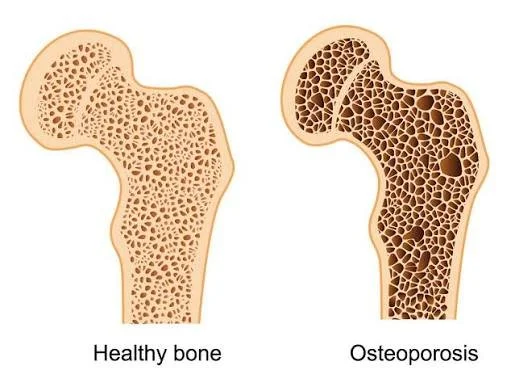
Osteoporosis is a condition that causes bones to become less dense and more fragile, making them more likely to break. It is often described as having "porous bones" because the internal structure of the bone becomes weaker over time.
To understand osteoporosis, it helps to know a little about how our bones work. Although bones look solid from the outside, they are living tissues that are constantly changing. Our bodies continually break down old bone and replace it with new bone through a process called bone remodelling. Specialized cells called osteoclasts break down old bone, while osteoblasts build new bone.
During childhood and early adulthood, bone formation generally exceeds bone breakdown, allowing us to build bone mass and strength. We typically reach our peak bone mass in our twenties. As we age, this balance gradually shifts, and we begin to lose bone faster than we replace it.
With osteoporosis, the bone breakdown happens faster than bone remodelling, this process results in reduced bone density and changes to the internal structure of the bone. The tiny structures that provide strength and support become thinner and weaker, leaving the bone more susceptible to fractures.
Osteoporosis often develops silently, without pain or noticeable symptoms. It may only become apparent after a fracture, sometimes from a minor fall or everyday activity. The most common fracture sites associated with osteoporosis are the hip, spine, and wrist. At the hip, fractures commonly occur at the femoral neck, the narrow section of the thigh bone just below the ball of the hip joint, or in the intertrochanteric region, just below the femoral neck. In the spine, fractures typically affect the vertebral bodies, the large, weight-bearing portions of the vertebrae, particularly in the mid-back (thoracic spine) and upper lower-back (lumbar spine). These are often called vertebral compression fractures. At the wrist, fractures most commonly occur at the distal radius, the end of the forearm bone closest to the wrist joint, often when someone falls onto an outstretched hand.
What Are the Risk Factors for Osteoporosis?
There isn't one single cause of osteoporosis. Instead, several factors can influence our bone health and the likelihood of developing the condition. Some risk factors are outside our control, while others can be modified through lifestyle changes.
Age and hormonal changes: Our risk of osteoporosis increases as we get older, particularly after age 50. Bone loss accelerates in many women following menopause because declining estrogen levels affect the body's ability to maintain bone density. Men can also develop osteoporosis, especially as they age, although bone loss often occurs later and more gradually.
Sex and family history: Women are generally at a higher risk than men, particularly after menopause. Having a parent who experienced a hip fracture also increases your risk, as genetics play a role in determining bone density and overall bone strength.
Previous fractures: A previous fracture from a minor fall or relatively low-impact injury is an important warning sign. If you've broken a bone from an event that would not typically cause a fracture in a healthy bone, it's worth discussing your bone health with your doctor.
Low body weight and poor nutrition: Having a low body weight, particularly a body mass index (BMI) below 20, is associated with increased fracture risk. Inadequate calcium, vitamin D, protein, and overall energy intake can also affect bone health.
Medical conditions and medications: Conditions that affect hormone levels, nutrient absorption, or normal bone metabolism can increase the risk of osteoporosis. These include celiac disease, inflammatory bowel disease, hyperthyroidism, hyperparathyroidism, and some chronic kidney conditions. Long-term use of certain medications can also contribute to bone loss. One important example is oral corticosteroids, such as prednisone, particularly when taken for three months or longer. Some breast cancer treatments and medications used for prostate cancer can also increase bone loss.
Lifestyle factors: Smoking, excessive alcohol consumption, and a sedentary lifestyle can all negatively affect bone health. Regular physical activity helps maintain bone strength, while prolonged inactivity can contribute to bone loss.
It's important to remember that osteoporosis can affect people who appear healthy and active. Understanding your personal risk factors is the first step towards prevention and early detection.
How Can We Prevent Osteoporosis?
While we can't change our age, genetics, or hormonal history, there are several things we can do throughout our lives to support healthy bones and reduce our risk of osteoporosis.
1. Prioritise weight-bearing exercise
Exercise is one of the most important ways to support bone health. Weight-bearing activities place load through our bones, encouraging them to maintain their strength. Examples include walking, hiking, dancing, stair climbing, and, when appropriate, higher-impact activities such as jogging or jumping sports.
Resistance training is equally important. Exercises such as squats, lunges, step-ups, and weightlifting challenge our bones and muscles, helping to maintain strength and function as we age. The key is consistency. Building an exercise routine that you can maintain over time is much more beneficial than exercising sporadically.
2. Build strength and improve balance
Strong muscles help support our bodies, improve mobility, and make everyday activities easier. Balance training is also important because it helps reduce the risk of falls, which can lead to serious fractures in people with weakened bones.
Incorporating exercises that challenge your balance, coordination, and functional strength can help you stay confident and independent as you age. If you already have osteoporosis or a history of fractures, your exercise program should be tailored to your individual needs. A physiotherapist can help you choose appropriate exercises and progress them safely.
An easy way to get started on balance exercises is doing a SAIL Exercises Program at home. This program has three different levels, increasing in difficult and is particularly helpful for seniors wanting to reduce their risk of falls. Below is a link to SAIL Level 1, 2 & 3.
3. Get enough calcium and vitamin D
Calcium is an essential building block of bone, while vitamin D helps your body absorb calcium effectively. Calcium-rich foods include dairy products, fortified plant-based beverages, calcium-set tofu, and certain fish, such as canned salmon with bones.
For adults over 50, it's best to prioritize getting calcium through food and speak with your doctor about whether supplementation is appropriate for you.
4. Avoid smoking and limit alcohol
Smoking can negatively affect bone health, while excessive alcohol consumption is associated with increased bone loss and a higher risk of falls and fractures. Avoiding smoking and limiting alcohol are practical steps that support bone health.
5. Know your risk factors
Prevention also means recognizing when you may need additional support. If you have several risk factors, a history of low-trauma fractures, or concerns about bone loss, speak with your doctor about whether a bone mineral density (BMD) test is appropriate.
A BMD test, commonly performed using a type of X-ray called a DXA scan, helps assess bone density and can guide decisions about prevention and treatment. In Canada, screening recommendations depend on your age, medical history, and other fracture risk factors.
What Are the Treatment Options for Osteoporosis?
If you have been diagnosed with osteoporosis, the goal of treatment is to strengthen or preserve bone, reduce your risk of fractures, and help you maintain your independence and quality of life. Treatment depends on your bone density, fracture history, overall health, and individual risk factors. For many people, a combination of lifestyle changes and medication provides the best approach.
Exercise and physiotherapy
Exercise remains an important part of managing osteoporosis. A tailored program can include progressive resistance training, balance exercises, functional movements, and appropriate weight-bearing activity.
Physiotherapy can help you build strength, improve balance, maintain mobility, and learn how to move confidently and safely. For individuals with osteoporosis, exercises may also need to be modified to reduce excessive spinal loading or movements that increase fracture risk, particularly if there are existing spinal fractures.
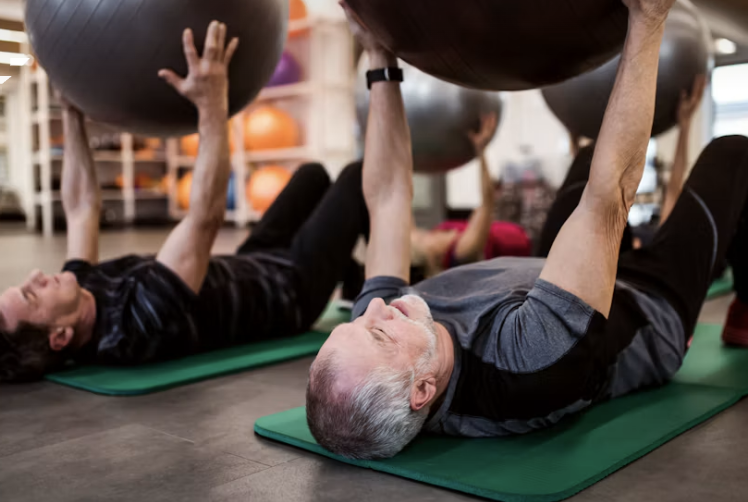
The aim is not to avoid movement. It is to find the right type and level of activity to support your bones and keep you doing the things you enjoy.
Medication
Depending on your fracture risk, your doctor may recommend medication to reduce the likelihood of breaking a bone.
Bisphosphonates are commonly prescribed first-line treatments. These medications slow the breakdown of bone, helping to preserve bone density and reduce fracture risk.
Other options include denosumab, which also reduces bone breakdown, and bone-building medications for people who have a very high risk of fracture. Treatment is individualized, and your doctor will help determine which option is most appropriate for you.
Nutrition and ongoing monitoring
Adequate calcium, vitamin D, and protein intake remain important alongside any prescribed medication. Your doctor may also recommend follow-up bone density testing to monitor changes over time and assess how well your treatment is working.
The Takeaway
Osteoporosis is a common condition, but it doesn't mean that losing strength, mobility, or independence is inevitable as we age.
Building strong bones starts early in life, but it's never too late to take steps to support your bone health. Regular weight-bearing activity, resistance training, adequate nutrition, and understanding your personal risk factors all play an important role.
If you have osteoporosis or are concerned about your risk, speak with your doctor about assessment and treatment options. A physiotherapist can also help you develop a safe, individualized exercise program to improve strength, balance, and confidence with movement.
Looking after your bones today can help you stay strong, active, and independent for years to come.