
At Port Alberni Physiotherapy & Wellness, we see goal setting as one of the most important foundations of recovery. From the very first assessment, our focus is on understanding what matters most to you and building a clear plan to help guide your treatment.
Recovery is not just about what happens in the clinic—it’s about how you move, function, and feel in your everyday life. Clear goals help connect all of those pieces together, giving structure and purpose to the rehabilitation process.
Why Goal Setting Matters in Recovery
Goal setting is more than just writing down what you want to achieve—it’s about creating direction and meaning in your recovery journey.
When you have clear goals, you are better able to:
Stay focused and motivated
Make consistent, purposeful decisions
Track meaningful progress over time
Navigate setbacks with greater clarity
Without goals, recovery can feel uncertain or reactive. With them, each step becomes part of a bigger, intentional process.
In physiotherapy, this is especially important because recovery often takes time. Having clear goals helps shift attention from frustration or limitation toward progress and possibility.
Where to Start: Asking the Right Questions
Setting goals can feel overwhelming at first, especially when you’re not sure what is realistic or where to begin. A helpful starting point is to reflect on a few simple questions:
What is my injury or limitation currently holding me back from?
If I felt fully recovered, what would my daily life look like?
What activities are most important for me to return to?
Do I want to move better, feel stronger, or improve performance?
What small steps could move me from where I am now to where I want to be?
These questions help shift the focus from symptoms alone to what really matters in your life.
Process Goals vs. Outcome Goals
One of the most effective ways to structure recovery is by breaking goals into two categories: process goals and outcome goals.
Outcome goals are the bigger picture—what you ultimately want to achieve.
Process goals are the daily or weekly actions that move you toward that outcome.
For example:
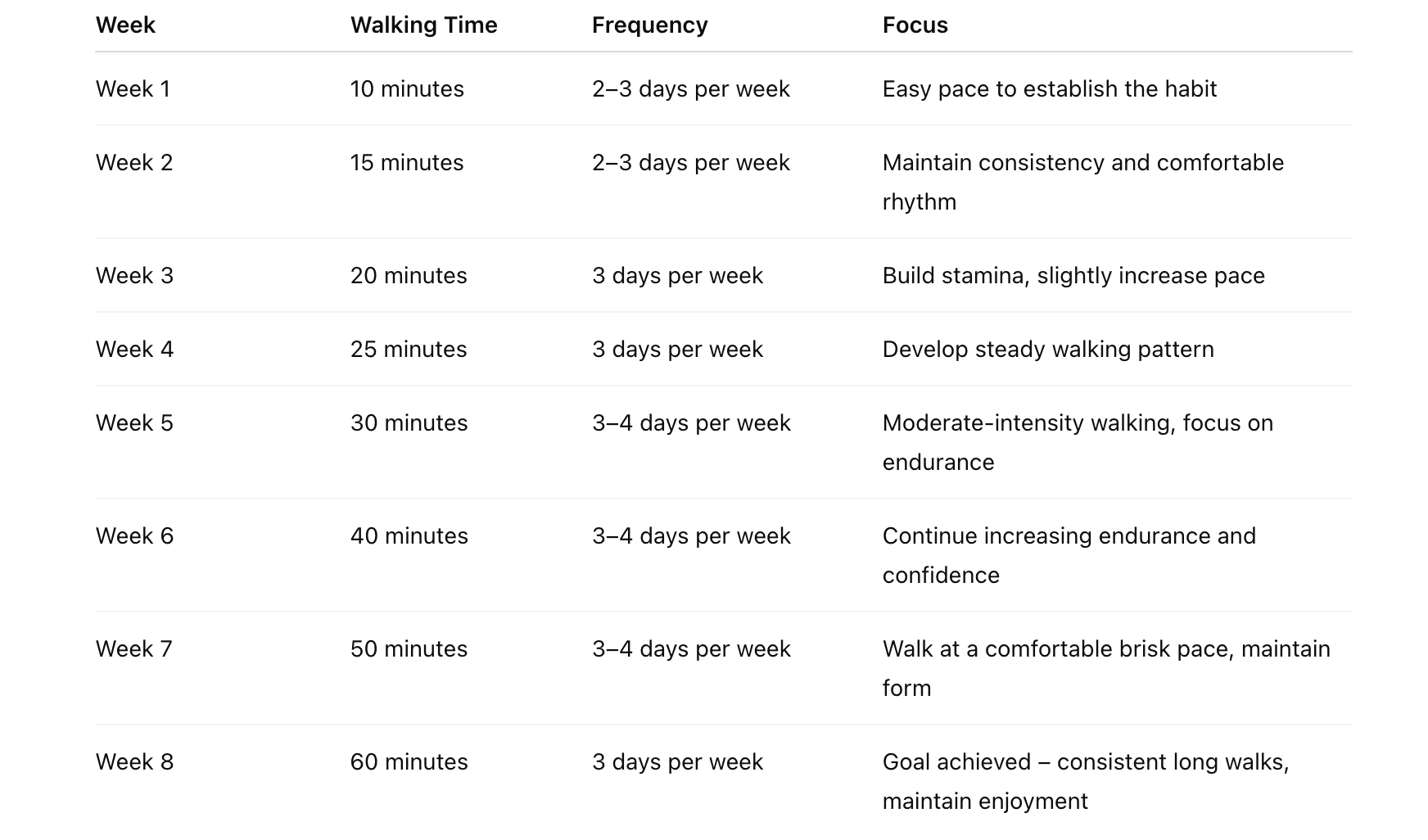
Process goal: Completing rehabilitation exercises 3–4 times per week to improve strength and mobility
Outcome goal: Returning to golf without back pain
Or:
Process goal: Improving single-leg strength and control
Outcome goal: Running a 10K at your best ability
Process goals are especially powerful because they give you something actionable and controllable to focus on every day. Over time, they build the foundation for achieving your long-term outcome goals.
Recovery Takes Time—and Consistency Matters
It’s natural to want quick progress, but recovery is rarely linear. There are often ups and downs along the way, and that’s part of the process.
What makes the biggest difference over time is consistency. Small, repeated actions—done regularly—create meaningful change.
Even when progress feels slow, each step is still moving you forward. The key is staying connected to your goals and continuing to show up for the process.
Understanding Your “Why”
One of the strongest drivers of success in recovery is understanding your “why.”
This might include:
Returning to a sport or activity you love
Being able to keep up with your children or family
Feeling stronger, more confident, and capable in your body
Preventing future injuries
Improving overall quality of life
When your goals are connected to something meaningful, it becomes easier to stay engaged in the process—even when it feels challenging.
Supporting More Than Just the Physical Side of Recovery
Recovery is not only physical—it is also mental and emotional. Your mindset, habits, and support system all play a role in how you move forward.
As part of our evolving approach at Port Alberni Physiotherapy & Wellness, we are also integrating access to a wellness coach as part of care for those who may benefit from additional support.
A wellness coach can help with:
Building resilience during recovery
Strengthening mindset and confidence
Creating sustainable habits and routines
Supporting long-term behaviour change
Maintaining motivation through challenges and setbacks
This added support can complement physiotherapy by helping bridge the gap between short-term rehabilitation and long-term wellbeing.
Goals Are Meant to Evolve
One of the most important things to remember is that goals are not fixed.
As your recovery progresses, your goals may change. You may achieve some, adjust others, or discover new priorities along the way. This is a natural and healthy part of the process.
Flexibility allows your recovery plan to stay aligned with where you are—not just where you started.
Final Thoughts
Goal setting is a central part of effective recovery. It creates structure, builds motivation, and helps connect your day-to-day actions to meaningful long-term outcomes.
At Port Alberni Physiotherapy & Wellness, we work with you to establish clear, realistic goals that guide your rehabilitation and support your return to the activities that matter most.
If you are unsure where to start or feel stuck in your recovery, we are here to help you create a plan that moves you forward—step by step.