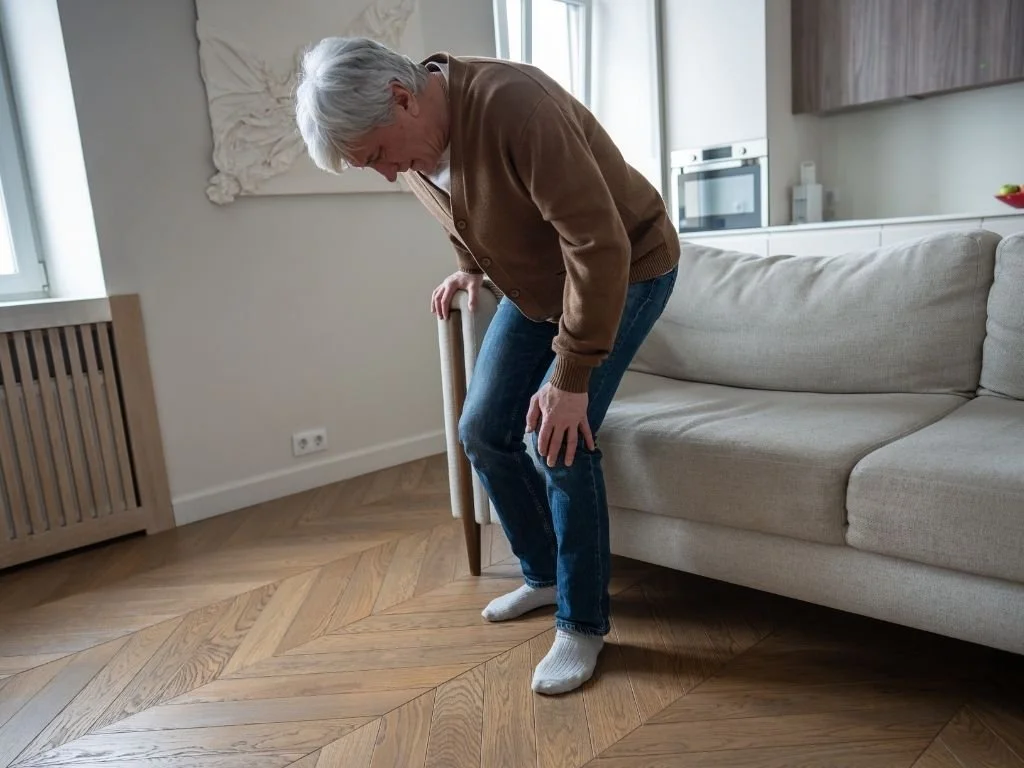
Meniscus injuries are among the most frequently seen knee conditions in both athletes and physically active adults. They may happen suddenly during sport or following a traumatic incident such as a motor vehicle accident, or they can develop gradually due to repetitive stress or age-related changes like knee osteoarthritis. Although hearing you have a “torn meniscus” can be concerning, many of these injuries respond very well to conservative treatment. With the right rehabilitation plan, many people are able to return to their usual activities without surgery.
Understanding what the meniscus does, how injuries occur, and what recovery typically involves can help set clear expectations and reduce uncertainty early in the process.
What Is the Meniscus and Why Is It Important?
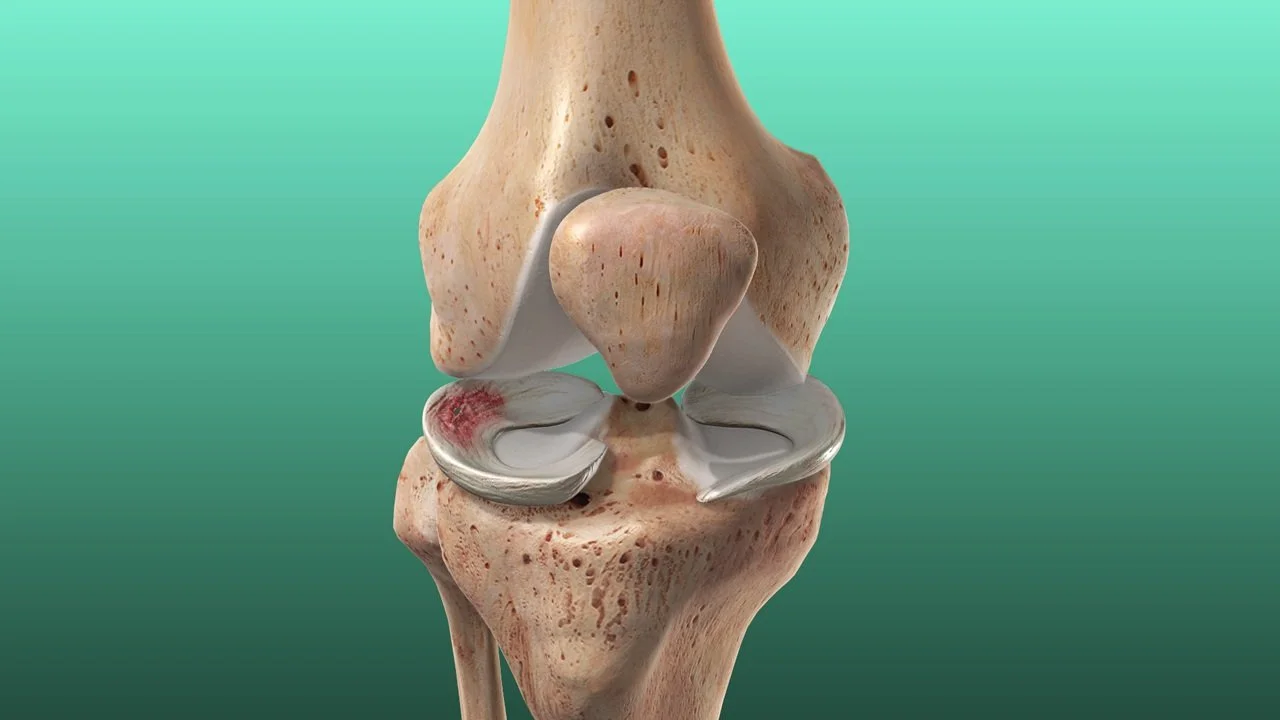
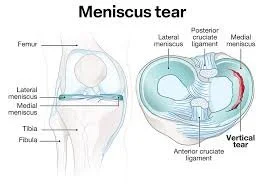
The meniscus is a strong, rubbery piece of cartilage that sits between the thigh bone (femur) and shin bone (tibia). Each knee has two menisci, which work together to absorb shock, distribute load, and contribute to knee stability and smooth movement. They play a key role in protecting the knee joint over time.
Meniscus injuries can occur due to:
Twisting or pivoting motions during sport
Deep squatting or kneeling under load
Gradual wear and tear over time
Not all meniscus tears are the same — and importantly, not all require surgery. Many individuals recover fully with a structured physiotherapy program.
Meniscus Rehabilitation: Active Recovery Matters
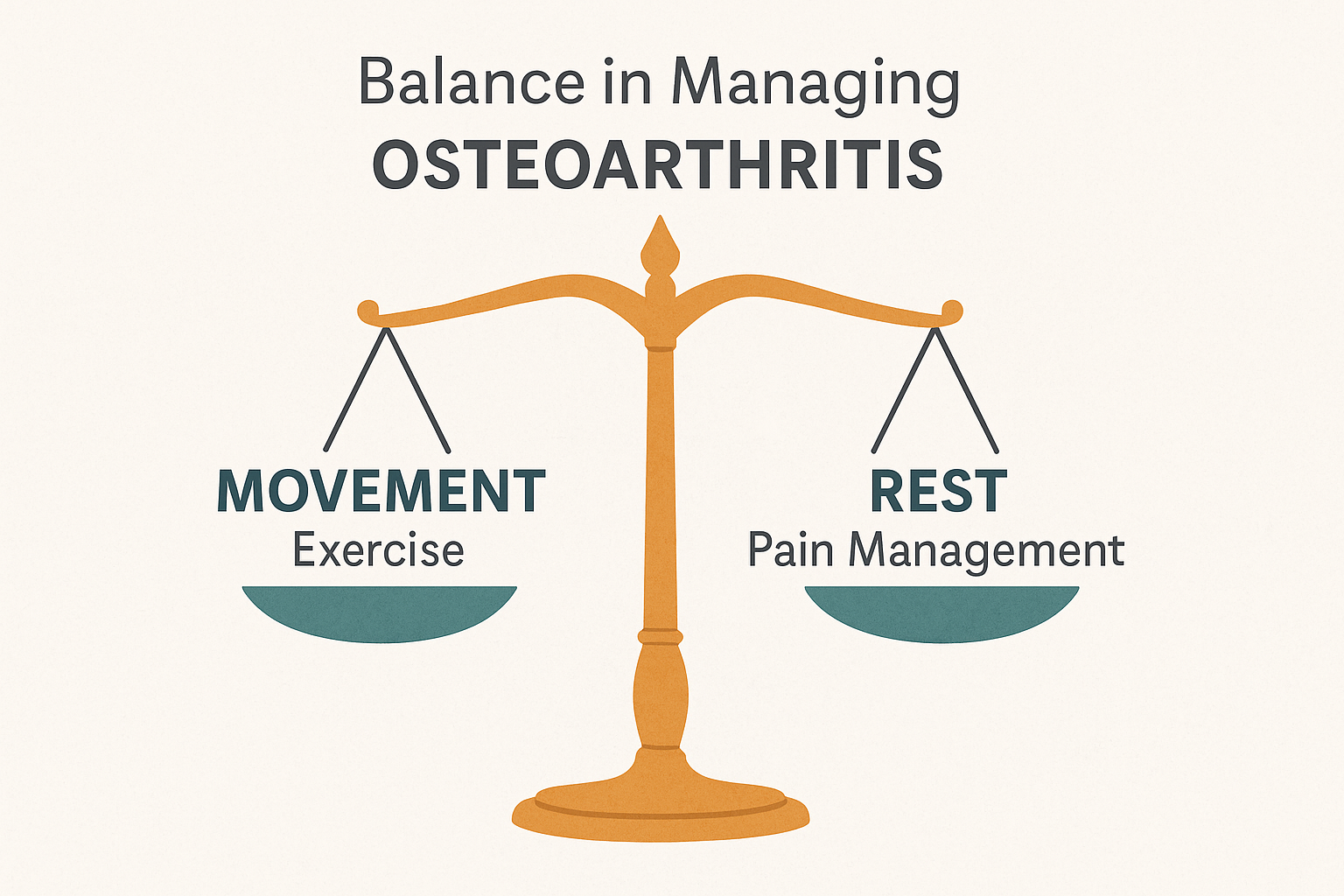
A common misconception is that a meniscus injury requires complete rest or immediate surgery. While a short period of reduced activity can help settle symptoms, full recovery usually depends on restoring strength, mobility, and confidence through progressive rehabilitation.
The good news is that most meniscus injuries do not require surgery. Many cases respond very well to conservative management with physiotherapy, helping reduce pain and improve function without needing an operation.
Physiotherapy rehabilitation focuses on:
Managing pain and swelling
Restoring knee range of motion
Strengthening the muscles around the knee, hip, and ankle
Improving balance and control during daily and sport-specific tasks
Your physiotherapist will progress your program based on how your knee responds, not just on a timeline — making each recovery unique.
What a Typical Meniscus Recovery Timeline Looks Like
Every knee and every person is different, but most meniscus rehabilitation follows a gradual progression. Below is an example of what recovery may look like:
Phase 1 (Weeks 0–2): Settle Symptoms & Restore Movement
Reduce pain and swelling
Regain comfortable bending and straightening of the knee
Improve walking mechanics
Begin gentle strengthening and balance exercises
Phase 2 (Weeks 2–6): Build Strength & Stability
Strengthen quadriceps, hamstrings, glutes, and calves
Progress balance work to single-leg control
Improve tolerance to stairs, squatting, and daily activities
Increase confidence loading the knee
Phase 3 (Weeks 6–10): Progress to Higher-Level Movement
Introduce faster movements, pivots, and direction changes when appropriate
Add light impact or jumping drills as tolerated
Progress work- or sport-specific movements
Build endurance and improve movement quality
Phase 4 (Weeks 10–16+): Return to Sport or Full Activity
Gradual return to running, cutting, or contact activities if required
Focus on knee control during high-demand movements
Restore confidence and trust in the knee under load
Not everyone will need every phase — rehabilitation is always tailored to your goals, activity level, and lifestyle demands.
Do Meniscus Injuries Always Require Surgery?
As we touched on earlier, meniscus injuries often do not require surgery.
Research shows that many meniscus tears — particularly degenerative or non-locking tears — respond very well to physiotherapy. Surgery may be considered if symptoms persist despite appropriate rehabilitation or if the knee frequently locks or catches, but it is not always the first or best option.
Your physiotherapist can help determine whether conservative treatment is appropriate and guide next steps if further assessment is needed.
Returning to Sport After a Meniscus Injury
Returning to sport is about more than being pain-free. The knee must be able to tolerate load, speed, and changes in direction. Both athletes and active individuals should demonstrate adequate strength, balance, and control before resuming full participation.
Mental readiness also plays an important role — feeling confident in your knee can significantly impact performance and reduce the risk of re-injury.
The Takeaway
A meniscus injury does not automatically mean surgery or long-term knee issues. With the right rehabilitation approach, many people return to work, sport, and daily activities.
At Port Alberni Physiotherapy, we use an evidence-based, individualized approach to meniscus rehabilitation. Our physiotherapists focus on restoring mobility, strength, and confidence — helping you get back to the activities and occupation.