
Walking is one of the simplest and most accessible forms of exercise. It requires very little equipment, can be done almost anywhere, and can easily be adjusted to suit different fitness levels. Whether you are returning to activity, recovering from an injury, or simply looking for a sustainable way to improve your health, walking is an excellent place to start. With a gradual approach, walking can become a routine that supports long-term physical and mental health.
Below we’ll explore why walking is so beneficial, how it fits within national physical activity recommendations, and a progressive 8-week walking program designed to help you safely build up to a comfortable 60-minute walk.
The Benefits of Walking for Overall Health
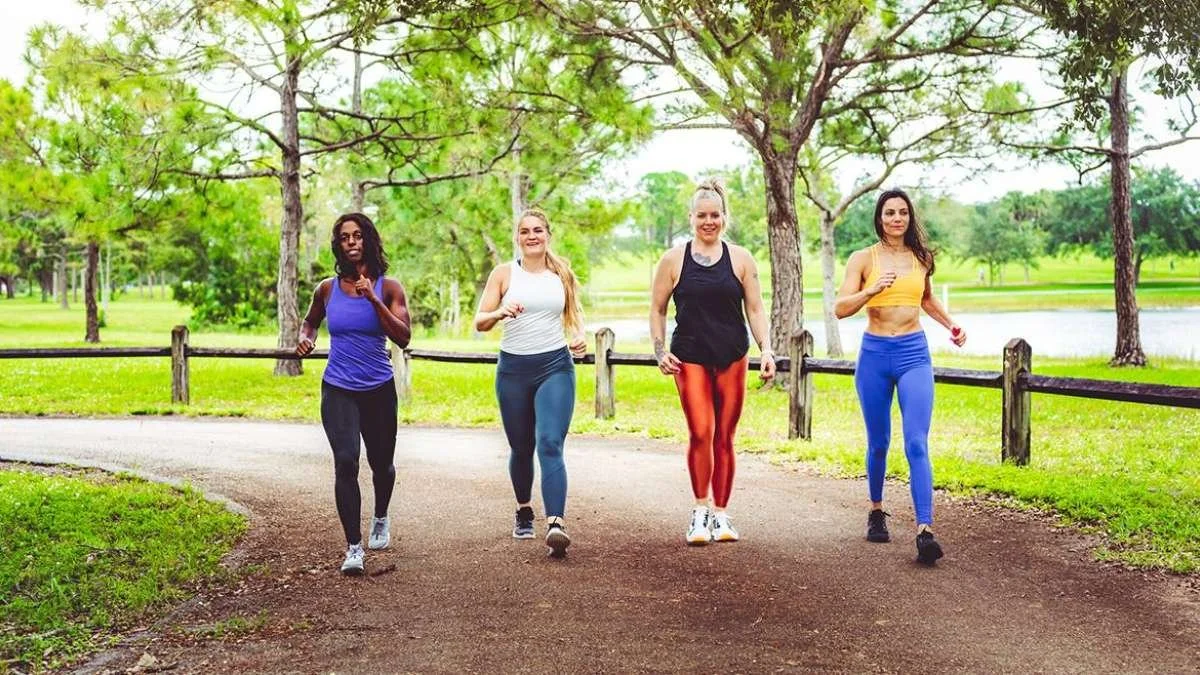
Regular walking provides a wide range of health benefits that go well beyond simply “getting your steps in.” Because walking is a low-impact activity, it places less stress on the joints compared to higher-impact exercises, making it a great option for people of many ages and fitness levels.
Over time, consistent walking can help improve cardiovascular health by increasing circulation and strengthening the heart. A brisk walk elevates your heart rate in a manageable way and can contribute to reducing blood pressure and supporting long-term heart health.
Walking also helps strengthen the muscles of the lower body. Each step engages the glutes, quadriceps, hamstrings, and calves, which can improve muscular endurance and help support the hips, knees, and ankles. In addition, walking regularly can help maintain joint mobility and coordination, which plays an important role in balance and overall movement quality as we age.
Beyond the physical benefits, walking can have a meaningful impact on mental health. Spending time walking—especially outdoors—can help reduce stress, improve mood, and increase energy levels. Many people find that a regular walking routine becomes a simple way to reset mentally during the day.
As a weight-bearing activity, walking can also contribute to maintaining bone density, making it a valuable long-term habit for overall health.
Walking and the Canadian Physical Activity Guidelines
Walking can play an important role in helping adults meet the physical activity recommendations outlined by the Canadian Society for Exercise Physiology. The current guidelines suggest that adults aim for at least 150 minutes of moderate-to-vigorous physical activity each week. This activity can be spread throughout the week in manageable sessions, and walking is one of the most practical ways to accumulate this time.
A moderate-intensity walk typically means your breathing and heart rate increase, but you are still able to carry on a conversation. Many people refer to this as a “brisk walking pace.” For most adults, this pace falls somewhere between 4.5 and 6 km per hour, although the exact speed will vary depending on individual fitness levels and terrain.
Some practical walking targets that can help contribute to the weekly recommendation include:
Time: about 30 minutes per session, five days per week (30 minutes x 5) or about 60 minute per session, three days per week (60 minutes x 3).
Heart rate: roughly 60–70% of your estimated maximum heart rate
Pace: a brisk walk where conversation is possible but slightly effortful
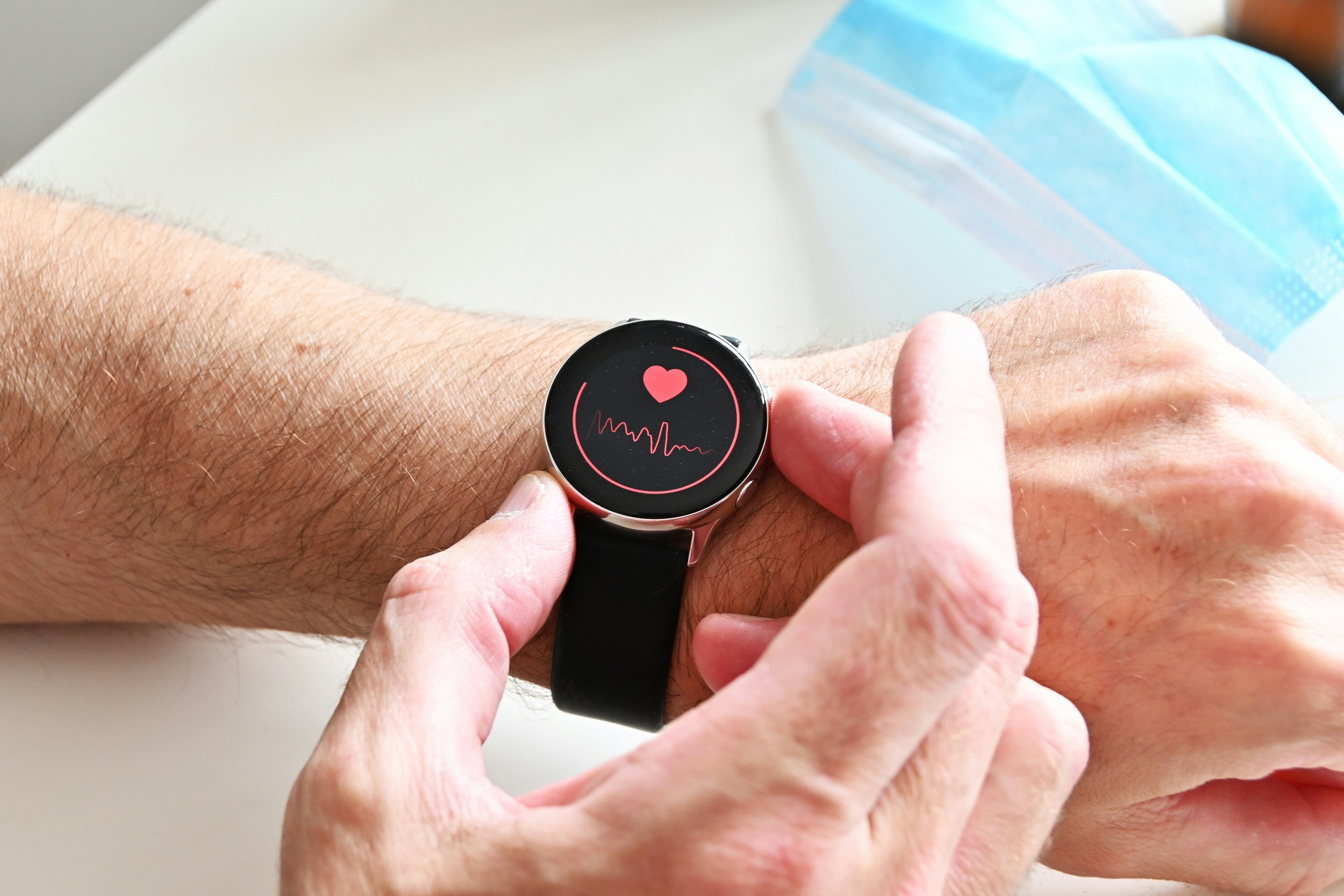
Many people also enjoy using wearable devices such as an Apple Watch or devices from Garmin to track distance, pace, and heart rate during walks. These tools can provide useful feedback and motivation, but they are not required to gain the benefits of regular walking.
An 8-Week Progressive Walking Program
If you are starting from a lower activity level, gradually increasing your walking time is the best way to build tolerance and reduce the risk of injury. The goal of the following program is to progress slowly over eight weeks until you can comfortably walk for about 60 minutes.
In the early weeks, the focus is on building consistency and allowing your body to adapt to regular movement. As the weeks progress, both the duration and frequency of walks increase gradually. If any week feels too challenging, it is perfectly reasonable to repeat that week before progressing further. The program should feel manageable and enjoyable rather than overwhelming.
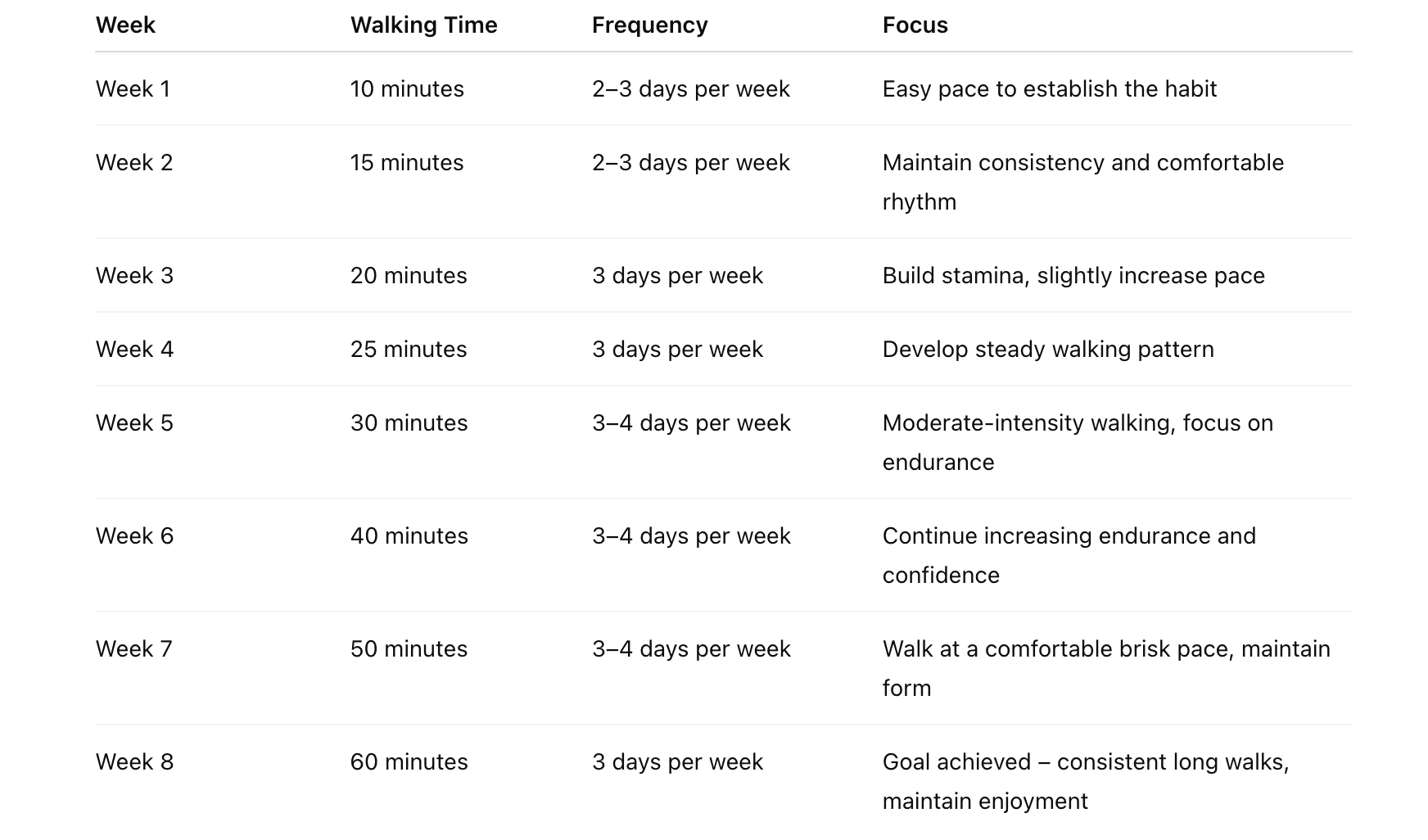
Many people find it helpful to start with 3-5 minutes at an easy pace as a warm-up and finish the walk the same way as a cool-down. If a full session feels too long at first, you can also split the time into two shorter walks during the day. The most important factor is building a routine that feels sustainable and enjoyable.
Footwear and Equipment Considerations
For most people, the only equipment needed to start walking is a comfortable, supportive pair of walking shoes. Good footwear can improve comfort and help reduce the risk of irritation or injury as your walking time increases. Look for shoes that provide cushioning, stable heel support, and enough room in the toe box for natural foot movement.
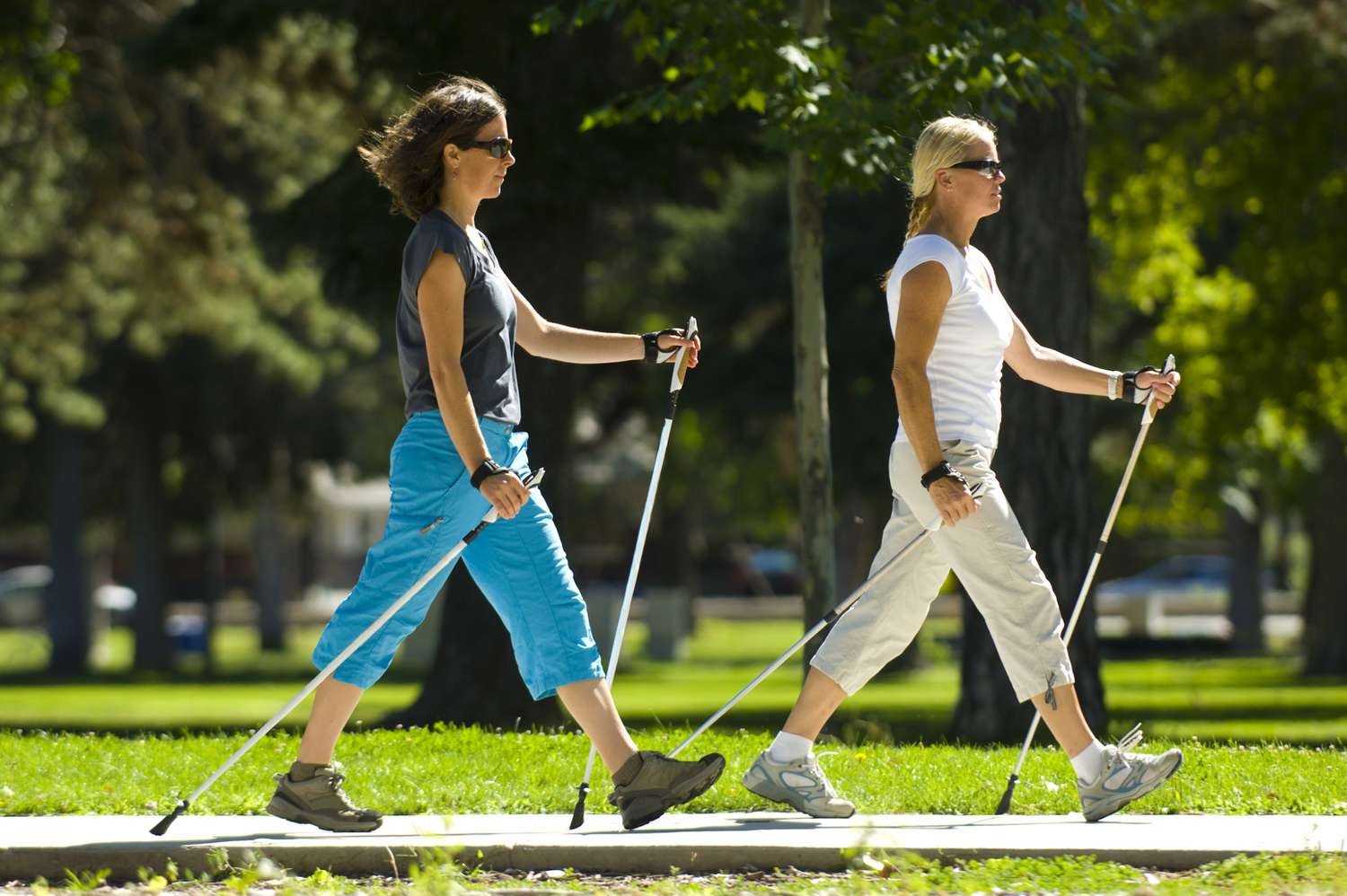
Some people may benefit from additional support depending on their foot mechanics or previous injuries. Orthotics—either over-the-counter or custom—can sometimes help with persistent foot pain, plantar fasciitis, or alignment concerns, though many individuals walk comfortably without them. Walking poles may also be helpful for improving balance, reducing joint load, or adding upper body involvement when walking on hills or uneven terrain.
For those who enjoy tracking their activity, devices like Garmin watches or the Apple Watch can provide feedback on heart rate, pace, and distance. While these tools can be motivating, the most important step is simply getting out and walking consistently.
Supporting Your Walking Goals
If you experience discomfort in your feet, knees, hips, or back while walking, it may be helpful to consult with a physiotherapist. Small adjustments to your walking mechanics, footwear, or training progression can often make a significant difference in comfort and long-term success.
At Port Alberni Physiotherapy, our team works with people of all activity levels to help them move more comfortably and confidently. We can assess your movement, address any injuries or limitations, and help develop a personalized walking or exercise program that fits your goals and lifestyle.
If you have questions about starting a walking program or would like help progressing safely, we would be happy to help. Feel free to book an appointment with our team and take the next step toward building a healthier, more active routine.