
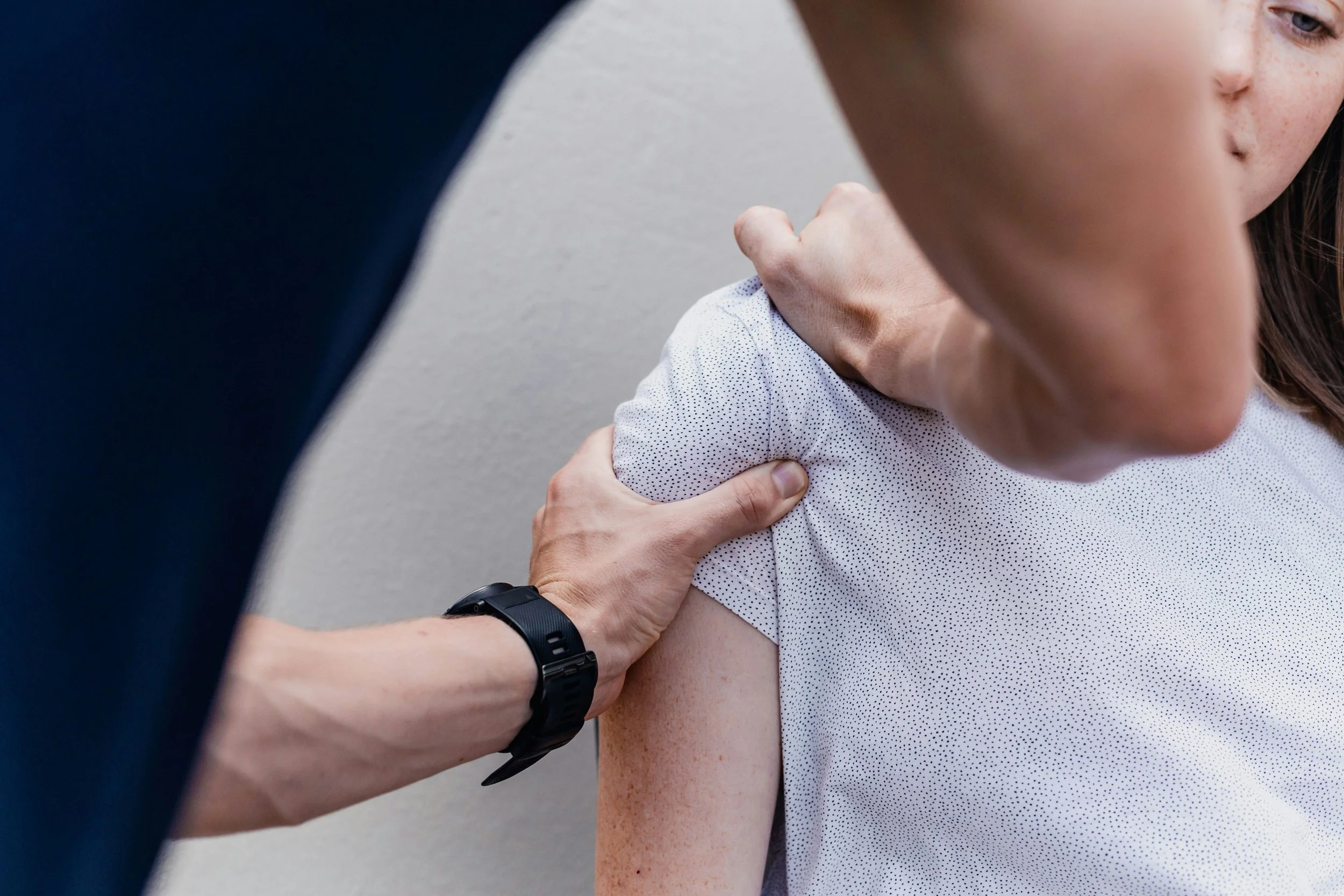
Shoulder injuries can be frustrating, especially when an imaging report includes unfamiliar terms like a SLAP tear. While the name may sound intimidating, a SLAP tear refers to an injury involving the labrum, a ring of cartilage that helps stabilize the shoulder joint.
If you've recently been diagnosed with a SLAP injury, understanding what it is, how it develops, and what treatment involves can make the recovery process feel much less overwhelming.
What Exactly Is a SLAP Tear?
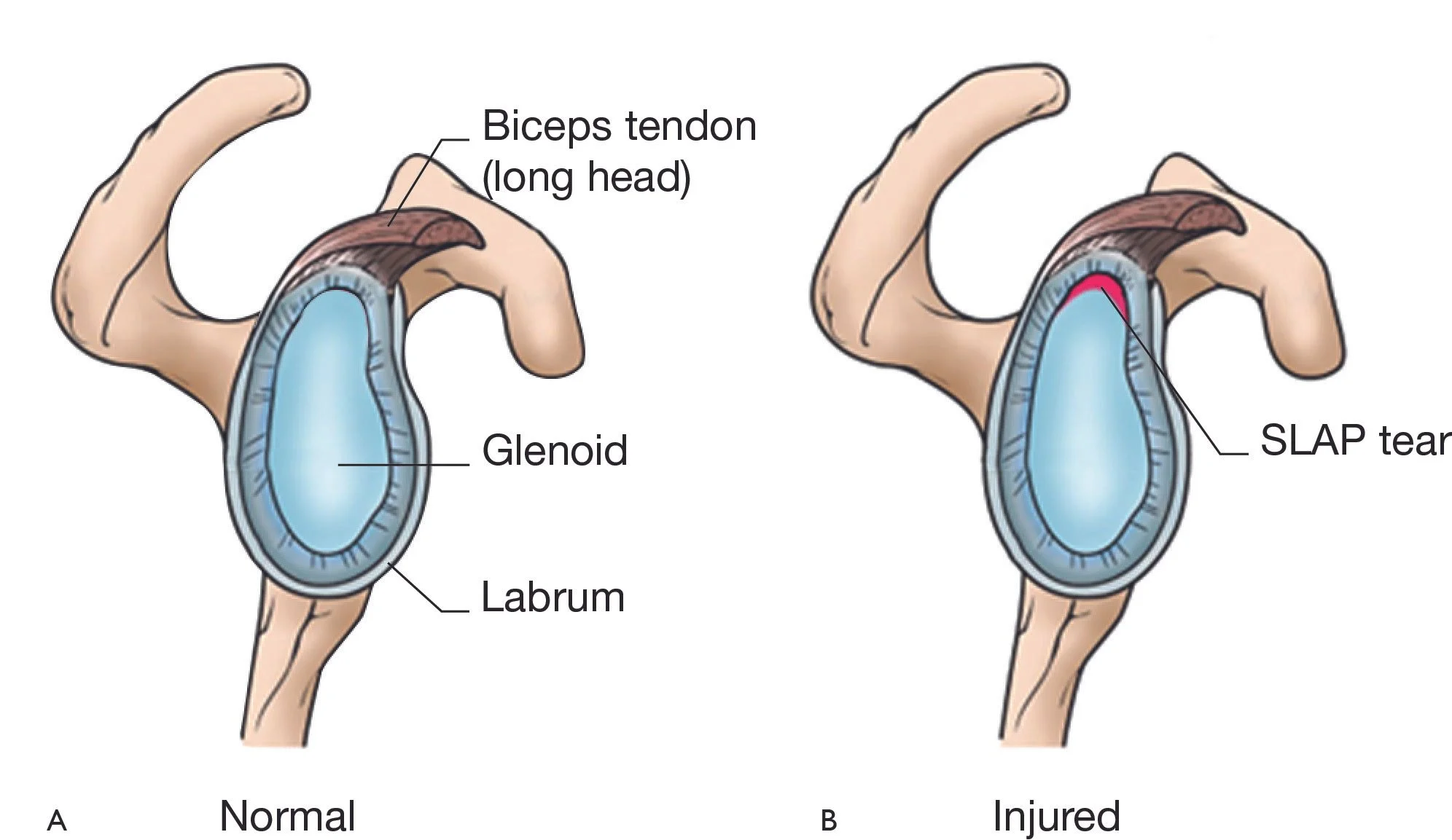
A SLAP tear occurs in the upper portion of the labrum, a ring of cartilage that surrounds the socket of the shoulder joint. The shoulder functions as a ball-and-socket joint, with the ball at the top of the upper arm sitting within a relatively shallow socket on the shoulder blade. The labrum helps deepen that socket, improving both stability and joint function.
The term SLAP stands for Superior Labrum Anterior to Posterior, which describes a tear that extends across the top of the labrum from the front to the back of the shoulder.
An important feature of this area is that the long head of the biceps tendon attaches directly to the superior labrum. Because of this connection, a SLAP tear can cause pain not only deep within the shoulder joint, but also at the front of the shoulder or into the upper arm.
Symptoms vary between individuals, but common complaints include:
Deep aching pain within the shoulder
Pain during overhead activities
Clicking, catching, or popping sensations
Reduced strength with lifting or throwing
Difficulty participating in overhead sports
A feeling that the shoulder is weaker or less stable
Not everyone experiences all of these symptoms, and the severity can vary significantly depending on the type of tear and the demands placed on the shoulder.
How Common Are SLAP Tears?
SLAP tears are relatively common, particularly among people who regularly perform overhead activities for work, sport, or recreation. Research has found SLAP lesions in a substantial percentage of shoulder arthroscopy procedures, accounting for a notable portion of all labral injuries.
One important consideration is that not every SLAP tear causes pain. In fact, age-related changes can lead to degeneration of the labrum over time, meaning some people have SLAP tears visible on imaging despite having little or no symptoms.
This is why healthcare providers don't rely on MRI findings alone when diagnosing a SLAP injury. Instead, they combine imaging results with a physical examination and a person's symptoms to determine whether the labral tear is actually contributing to their shoulder pain.
What Causes a SLAP Tear?
SLAP tears generally develop in one of two ways: a sudden traumatic injury or repetitive stress over time.
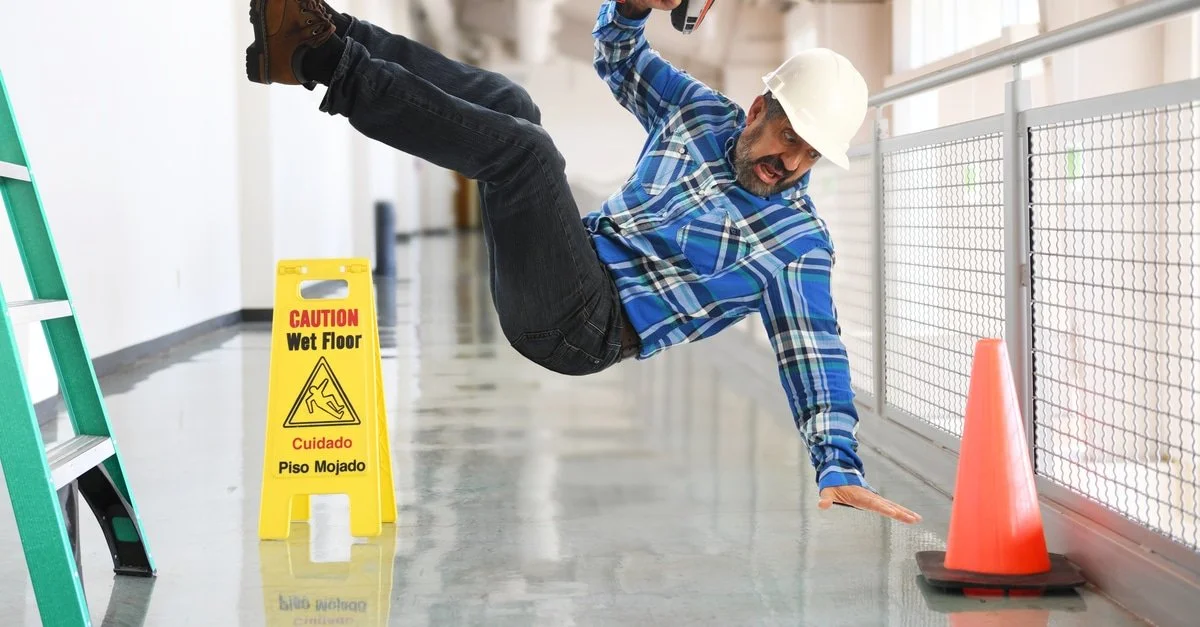
Traumatic tears often occur when a large force is transmitted through the arm or shoulder. Falling onto an outstretched hand is one of the most common examples, but sudden traction forces through the arm can also place significant stress on the labrum and biceps attachment.
Common traumatic causes include:
Falling onto an outstretched arm
Catching a heavy object unexpectedly
A sudden pulling force through the arm
Direct impact to the shoulder
In other cases, SLAP tears develop gradually. Repetitive overhead movements can place ongoing stress on the labrum, eventually leading to irritation and tissue breakdown.
Activities commonly associated with SLAP tears include:
Baseball, softball, and other throwing sports
Swimming
Tennis and volleyball
Overhead weightlifting
Occupations involving repetitive overhead work
Over time, repetitive loading combined with factors such as reduced shoulder stability, muscle weakness, or altered movement mechanics can increase strain on the labrum and contribute to the development of a tear.
Treatment Options for a SLAP Tear
Treatment depends on the type of tear, the severity of symptoms, and the individual's goals. Fortunately, many people recover successfully without surgery.
Conservative treatment is typically the first approach and focuses on reducing irritation while improving shoulder strength, control, and function. During the early stages of recovery, temporary modifications to aggravating activities may be necessary, particularly overhead movements and heavy lifting.
Non-surgical treatment may include:
Activity modification
Physiotherapy-guided rehabilitation
Anti-inflammatory medications when appropriate
Corticosteroid injections in select cases
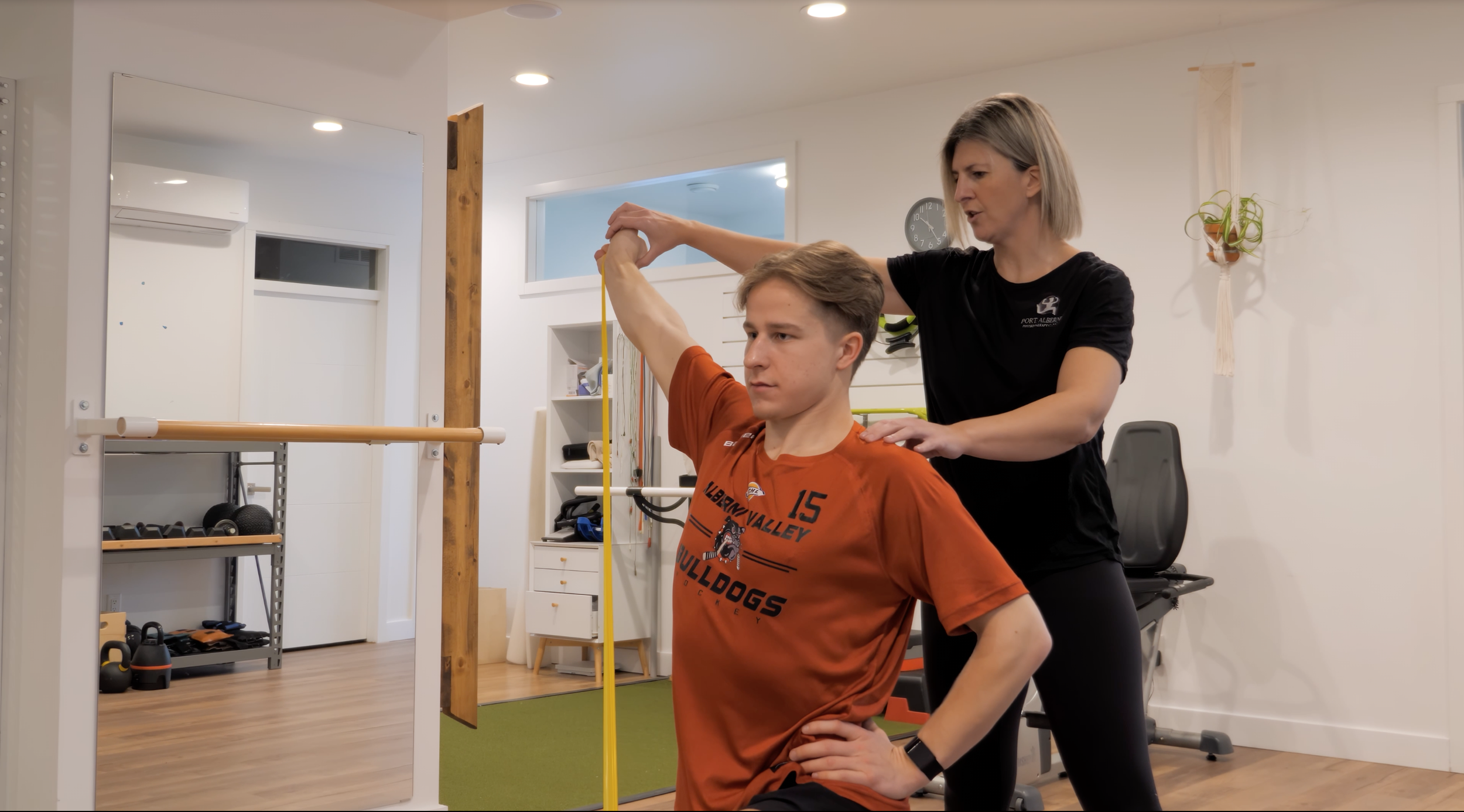
Physiotherapy plays a key role by addressing strength deficits, improving shoulder mechanics, and gradually increasing the shoulder's tolerance to load.
If symptoms persist despite a thorough course of rehabilitation, surgery may be considered. The most common procedures include:
Arthroscopic SLAP repair, where the torn labrum is reattached to the socket
Biceps tenodesis, where the biceps tendon attachment is relocated to reduce stress on the injured labrum
Both procedures are typically performed using minimally invasive arthroscopic techniques.
Recovery Timeline
Recovery varies depending on whether treatment is surgical or non-surgical, as well as the individual's activity demands and overall shoulder health.
For non-surgical management, the initial focus is reducing pain and restoring comfortable movement. As symptoms improve, rehabilitation progresses toward strengthening and improving shoulder control. Many individuals return to most daily activities within 8-12 weeks, with continued improvements over the following months.
Recovery following surgery requires more patience because the repaired tissue needs adequate time to heal before it can tolerate significant loading.
A typical post-surgical timeline may include:
Weeks 0-6: Sling use and protection of the repair
Weeks 6-12: Gradual restoration of mobility and early strengthening
Months 3-4: Progressive strengthening and functional exercises
Months 4-6: Return to most recreational activities
Athletes participating in high-level overhead sports may require six to nine months before returning to unrestricted competition.
How Physiotherapy Supports Recovery
Whether treatment is surgical or non-surgical, physiotherapy is often one of the most important components of recovery.
The shoulder relies on a complex system of muscles to maintain stability during movement. Rehabilitation focuses heavily on the rotator cuff and the muscles that control the shoulder blade, as these structures help keep the shoulder centered within the socket and reduce unnecessary stress on the labrum.
A physiotherapy program may include:
Rotator cuff strengthening exercises
Shoulder blade stabilization exercises
Mobility and flexibility work
Movement retraining
Gradual return-to-sport or return-to-work programming
By improving strength, coordination, and movement quality, physiotherapy can help restore shoulder function while reducing irritation around the injured tissue.
When Should You Seek Treatment?
If you're experiencing persistent shoulder pain, clicking sensations, weakness, or difficulty with overhead activities, it's worth having your shoulder assessed. While not every shoulder problem is a SLAP tear, identifying the source of your symptoms early can help guide the most effective treatment plan.
At Port Alberni Physiotherapy, we help people recover from a wide range of shoulder injuries, including SLAP tears. Whether your goal is returning to sport, getting back to the gym, or simply moving through daily life with less pain, a personalized rehabilitation program can help you regain confidence in your shoulder and get back to doing what you enjoy.