

When it comes to strength training, it can be easy to think that you need to spend hours in the gym to see results. Maybe you feel like you need a full workout program, lots of equipment, and several days a week to make it worthwhile.
The reality is much simpler.
When it comes to strength training, consistency is more important than volume.
You don't need to train five days a week to get stronger. In fact, for someone who is busy, starting with a realistic amount of strength training that you can maintain over time is often a much better approach.
So, How Often Should You Strength Train?
For general health and fitness, a good goal is to include strength training at least two days per week, working the major muscle groups.
But that doesn't mean that one session a week isn't worthwhile.
If you're currently doing no strength training, adding one session a week is still a positive step. You can build strength, become more comfortable with the movements, and start creating a routine.
Think about it this way: strength training once a week for six months is going to be far more beneficial than training five times a week for one month and then stopping.
The more frequently you train, the quicker you may notice changes in your strength and fitness. However, those short-term gains don't mean much if the routine isn't something you can maintain.
The goal is to find a level of training that fits into your life and that you can continue doing week after week.
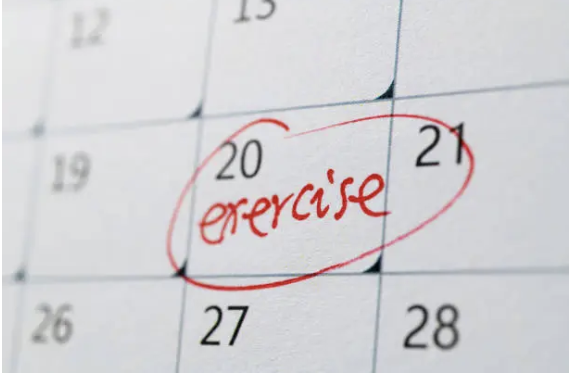
Consistency Is Key
It's easy to get caught up in how much exercise we should be doing. We might decide we're going to completely overhaul our routine, start training five days a week, and make big changes all at once.
Sometimes that works for a few weeks.
But then life gets busy, motivation drops, or your schedule changes, and suddenly you're not exercising at all.
This is why I often think it's more useful to focus on what you can consistently do, rather than what you could theoretically fit into your schedule.
If one strength workout per week is realistic for you right now, start there.
If you can manage two, great.
If you have the time and enjoy strength training three or four times a week, that can work too.
The important part is that you're able to keep doing it.
How Much Time Do You Need?
There isn't a magic amount of time that a strength workout needs to take.
A 60-minute workout can be great, but a focused 20–30 minute session can also be effective.
If you're short on time, focus on a few key movements that work the major muscle groups rather than trying to fit everything into one workout.
For example, a simple full-body session could include:
A squat or lunge
A hip hinge
A pushing exercise
A pulling exercise
A core exercise
You can adjust the exercises, resistance and number of sets depending on your experience and goals.
The goal isn't to make every workout as long or difficult as possible. It's to provide your body with enough of a challenge to encourage it to adapt, while still allowing you to recover.
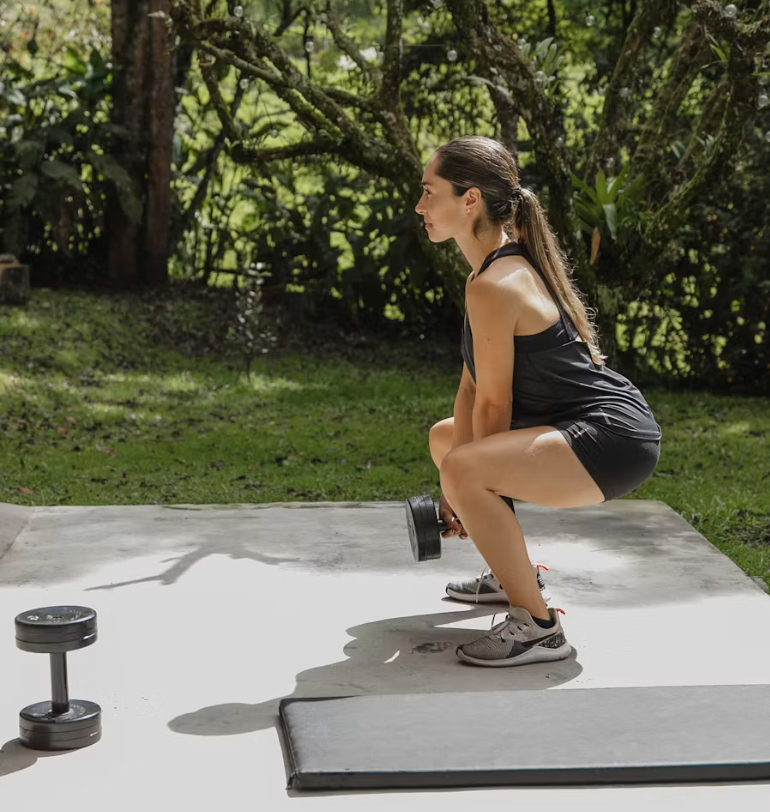
What If You Only Have 20 Minutes?
This is where it helps to change the way you think about exercise.
Instead of thinking, "I don't have enough time to work out today," ask yourself, "What can I get done in the time I have?"
Twenty minutes of strength training is still twenty minutes of training.
You could choose three or four exercises and complete a few sets of each. You could do a quick workout at home, use resistance bands, dumbbells, or even your body weight.
You can also break your exercise up throughout the day. Ten minutes in the morning and another 10 minutes later in the day can still help you build movement into your routine.
It doesn't have to be perfect to be worthwhile.
How Do You Fit Strength Training Into Your Existing Routine?
One of the easiest ways to make strength training more consistent is to work it into something you're already doing.
If you already go for a walk a few times a week, add 15–20 minutes of strength exercises before or after your walk.
If you have a couple of evenings that are usually less busy, schedule your workout at that time.
If getting to the gym is the biggest barrier, keep a few pieces of equipment at home.
You could also start with exercises that require no equipment at all.
The best exercise routine is often the one that fits naturally into your life.

Does More Training Mean Better Results?
Generally, the more often you train, the more opportunities you have to challenge your body and progress. If your goal is to build strength or improve athletic performance, increasing your training frequency may help you see results sooner.
But there is a balance.
Your body needs time to recover, and more isn't always better. If you're also running, playing sports, hiking, cycling or participating in other activities, your overall workload matters too.
Increasing your training from one session a week to two or three may help you progress faster, but only if you can recover from it and maintain that routine.
It's also important to remember that progress isn't always immediate. Strength, fitness and physical capacity are built over time.
Think Long-Term
Instead of asking yourself, "What's the most I can do right now?" try asking, "What can I realistically keep doing for the next six months?"
That change in mindset can make a big difference.
Training five times a week for one month might feel like a huge accomplishment, but if you stop afterwards, you've lost the consistency that creates long-term change.
Training once or twice a week for six months may not feel as impressive, but you've given your body months of repeated exposure to strength training.
The Bottom Line
You don't need to spend hours in the gym or train every day to benefit from strength training.
If you can manage two sessions a week, that's a great goal. If you're just getting started and one session a week is what fits your schedule, that's still a great place to begin.
Start with something realistic. Build the habit. Then, if you have the time and want to progress, gradually increase the frequency or challenge.
Consistency will always beat doing too much, too soon.
The best strength training program isn't necessarily the one with the most workouts. It's the one you can stick with.