

Whether you've stepped away from exercise because of an injury, illness, a busy schedule, or simply needed some time off, getting back into a regular routine can feel like a challenge. It can be tempting to jump straight back into the workouts you were doing before, but it's important to recognize that your body may need some time to get used to regular activity again.
After a break, you might notice changes in your strength, endurance, or overall fitness. This is a normal part of returning to exercise, and it doesn't mean you need to rush to get back to where you were. Taking a gradual approach, making adjustments when needed, and allowing time for your body to adapt can help you build a routine that's both manageable and sustainable.
Here are seven tips to help you ease back into exercise safely and build your fitness over time.
1. Start Where You Are
One of the most common mistakes when returning to exercise is trying to pick up right where you left off. Even if you were previously comfortable with running, lifting weights, or attending fitness classes, your body may not have the same capacity for exercise after taking time away.
Instead of comparing your current fitness level to what you could do before your break, focus on what feels manageable right now. This might mean using lighter weights, reducing the number of sets, shortening your workouts, or choosing lower-impact activities to get started.
There's nothing wrong with taking a step back and building up again. Starting at a level that feels comfortable will help you develop confidence, improve your fitness gradually, and avoid putting too much stress on your body too soon.

2. Begin With Shorter Workouts
You don't need to spend an hour at the gym to start making progress. When returning to exercise, focus on shorter sessions and gradually increase the time you spend being active as your fitness improves.
For many people, starting with 15–20 minutes of exercise, 2–3 times per week is a reasonable goal. This could include walking, cycling, swimming, or a light strength training workout. As you become more comfortable, try adding approximately five minutes to your workouts each week, provided you're recovering well.
For example, you could gradually build your workout duration over the first month:
Week 1: 15–20 minutes per workout, 2–3 times per week.
Week 2: 20–25 minutes per workout, 2–3 times per week.
Week 3: 25–30 minutes per workout, 2–3 times per week.
Week 4: 30–35 minutes per workout, 2–3 times per week.
This is simply an example of how you might increase your activity. Your starting point and progression will depend on your current fitness level, the type of exercise you're doing, and how long you've been away from your routine.
Pay attention to how you feel during exercise and in the days afterward. If you're noticing excessive soreness, fatigue, or discomfort, you may need to stay at your current level for a little longer before increasing your workout duration.
The goal is to build up your activity gradually. Small, consistent increases can help improve your endurance and tolerance for exercise without doing too much too soon.
3. Gradually Increase Your Intensity
Once you've established a routine and feel comfortable with your workout frequency and duration, you can start to gradually increase the intensity of your exercise.
This means introducing new challenges as your fitness improves. Depending on the type of activity you're doing, this could include:
Walking or running: Increasing your pace, adding hills, or introducing short intervals of faster walking or jogging.
Strength training: Increasing the weight you're lifting, adding a few repetitions, or progressing to more challenging exercises.
Cycling: Increasing resistance, incorporating hills, or adding short intervals of higher effort.
Fitness classes: Increasing your effort or trying more challenging exercise variations as you become more comfortable.
Try to make one adjustment at a time rather than increasing the intensity, duration, and frequency of your workouts all at once. For example, if you're comfortably walking for 30 minutes, you could introduce a few short intervals of faster walking while keeping the overall workout duration the same.
The same approach applies to strength training. You might start by increasing your weight slightly while keeping your sets and repetitions consistent.
Continue monitoring how your body responds as you progress. If you're recovering well and your workouts feel manageable, you can gradually introduce more challenging activities. If you're experiencing increased soreness, fatigue, or pain, consider reducing the intensity or spending more time at your current level.
Remember that not every workout needs to be harder than the last. Giving your body time to adapt is an important part of building strength, endurance, and overall fitness.
4. Don't Skip Your Warm-Up
Taking a few minutes to warm up before exercise helps prepare your muscles and joints for the movements ahead. This is particularly important when you're getting back into a routine after taking some time off.
A warm-up doesn't need to be complicated or take a long time. Start with 5–10 minutes of light activity, such as walking or cycling, followed by some dynamic movements or mobility exercises that target the areas you'll be using during your workout.
A good warm-up gradually increases your heart rate and prepares your body for more demanding movements. It can help you move more comfortably during exercise and is a great lifelong habit to develop.

5. Give Yourself Time to Recover
When you're returning to exercise, you may notice more muscle soreness or fatigue than you're used to. This is common, particularly when introducing your body to movements or activities it hasn't done in a while.
You may experience something called Delayed Onset Muscle Soreness (DOMS), which refers to the muscle soreness and stiffness that develops after exercise, particularly following unfamiliar or more challenging activities. DOMS is associated with microscopic changes in muscle tissue and the body's inflammatory response as your muscles adapt to new demands.
Unlike soreness you might feel during or immediately after exercise, DOMS typically develops 12–24 hours after a workout, peaks around 24–72 hours, and gradually settles over the following few days. It's more common when returning to exercise after a break, increasing your workout intensity, or trying new exercises, particularly those involving eccentric muscle contractions. This is when a muscle lengthens while under tension, such as when lowering yourself into a squat.
Some muscle soreness is expected when introducing new demands to your body, but it isn't a requirement for an effective workout. Giving yourself enough time between sessions allows your muscles to repair and adapt, helping you recover before your next workout.
A few other ways to support recovery include:
Getting enough quality sleep.
Drinking enough water throughout the day.
Eating balanced meals with adequate protein to support muscle repair.
Incorporating lighter activities, such as walking, on rest days.
Avoiding intense workouts targeting the same muscle groups on consecutive days, especially when first getting started.
You don't need to exercise every day to see improvements. Finding the right balance between activity and recovery will help you build consistency while reducing the likelihood of doing too much too soon.
6. Listen to Your Body
As you start increasing your activity, it's important to recognize how your body is responding. Some muscle soreness and fatigue after exercise are normal, especially when you're introducing new movements or increasing your workload.
However, not all discomfort should be ignored. Sharp pain, increasing discomfort, swelling, or pain that changes the way you move are signs that you may need to modify your activity or take a break.
If something doesn't feel right, don't try to push through it. Reduce the intensity, adjust the exercise, or give yourself more time to recover. It's also important to consider how you feel in the hours and days following your workout, not just while you're exercising.
If you're returning to activity after an injury or dealing with ongoing pain, a physiotherapist can help identify appropriate exercises, make modifications, and develop a gradual plan to get you moving again.
7. Set Realistic Goals and Stay Consistent
Having a plan can make it easier to get back into exercise and stay motivated along the way. However, it's important to set goals that are realistic for your current fitness level and fit into your everyday routine.
Rather than aiming to exercise five days a week right away, start with something manageable, such as two or three workouts per week. As you become more comfortable with your routine, you can gradually build on that goal.
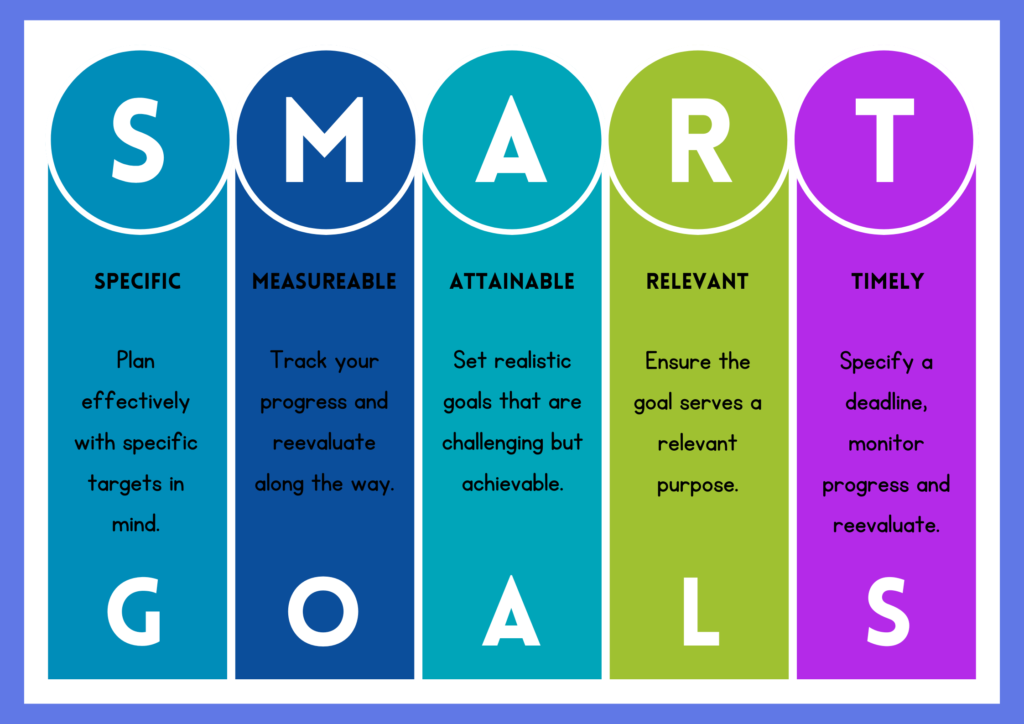
One helpful approach is to use the SMART goal-setting framework. SMART goals are:
Specific: Be clear about what you want to accomplish. Instead of saying you want to exercise more, set a goal to go for a 20-minute walk or complete a strength training workout.
Measurable: Choose something you can track, such as the number of workouts you complete each week or how long you're active.
Achievable: Make sure your goal is realistic based on your current fitness level, schedule, and other commitments.
Relevant: Focus on goals that are meaningful to you and support what you want to achieve, whether that's improving your strength, building endurance, or simply becoming more active.
Time-bound: Give yourself a timeframe to work towards, such as establishing a routine over the next four weeks.
For example, rather than setting a general goal to get back into shape, a SMART goal might be to complete three 20-minute walks each week for the next month.
Having smaller, achievable goals gives you something to work towards and makes it easier to recognize your progress along the way.
It's also important to give yourself some flexibility. If you miss a workout or have a particularly busy week, you don't need to make up for it by doing extra exercise the following week. Focus on getting back into your routine rather than feeling discouraged by a few missed sessions.
Ultimately, consistency is more important than intensity when you're rebuilding your fitness. Finding activities you enjoy and setting goals you can realistically maintain will make it easier to turn exercise into a regular part of your lifestyle.
Getting Back Into Exercise
Taking time away from exercise doesn't mean you've lost all the progress you've made. It may take a little time to rebuild your strength, endurance, and confidence, but with a gradual approach and some consistency, you can work your way back to the activities you enjoy.
Remember to be patient with yourself, listen to your body, and allow enough time for recovery as you increase your activity. There's no need to compare your current abilities to what you could do before your break.
If you're unsure where to start, returning to exercise after an injury, or experiencing pain when increasing your activity, a physiotherapist can help you find an appropriate starting point and develop a plan to progress safely.