Viewing entries in
Health and Wellness

Walking Your Way to Better Health

Walking Your Way to Better Health

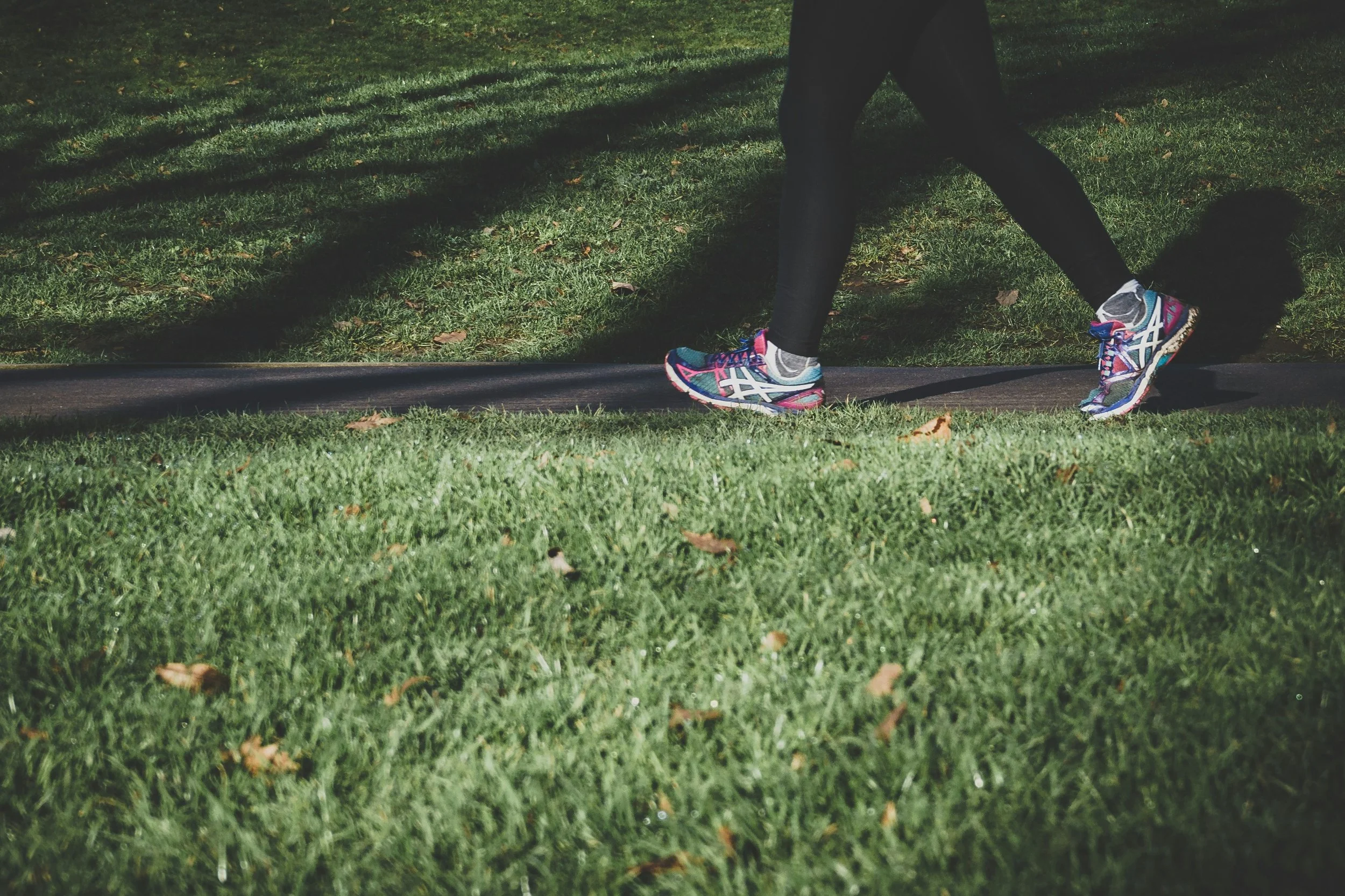
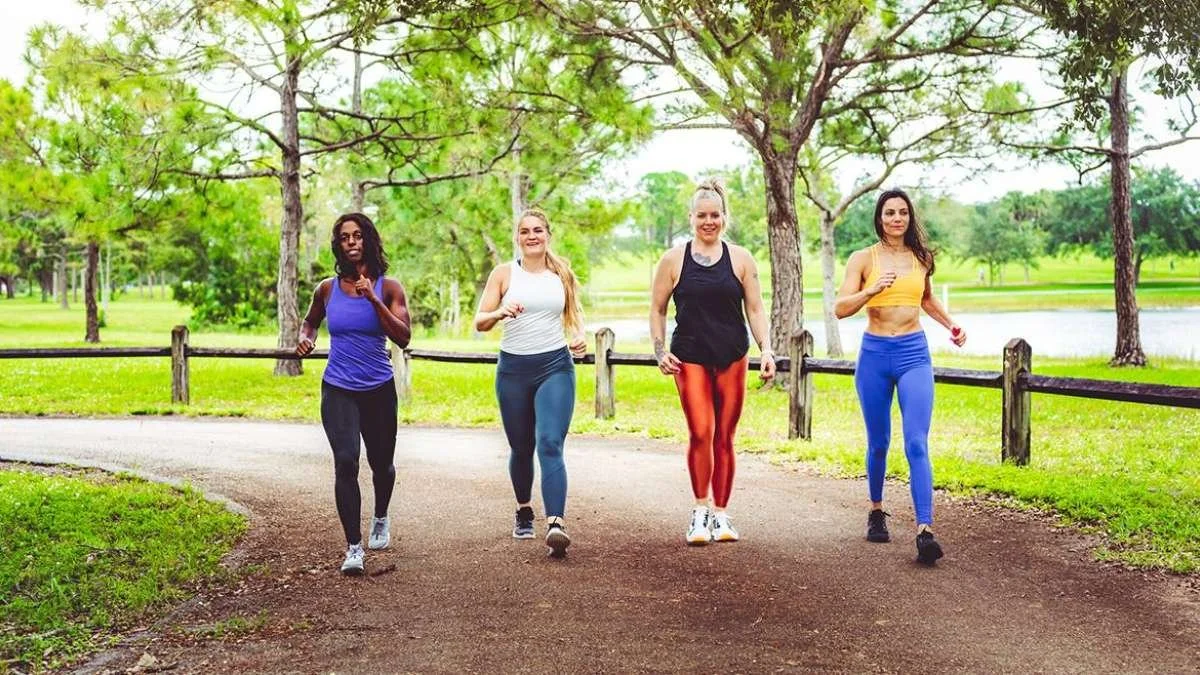
Walking is one of the simplest and most accessible forms of exercise. It requires very little equipment, can be done almost anywhere, and can easily be adjusted to suit different fitness levels. Whether you are returning to activity, recovering from an injury, or simply looking for a sustainable way to improve your health, walking is an excellent place to start. With a gradual approach, walking can become a routine that supports long-term physical and mental health.

Below we’ll explore why walking is so beneficial, how it fits within national physical activity recommendations, and a progressive 8-week walking program designed to help you safely build up to a comfortable 60-minute walk.


The Benefits of Walking for Overall Health

Regular walking provides a wide range of health benefits that go well beyond simply “getting your steps in.” Because walking is a low-impact activity, it places less stress on the joints compared to higher-impact exercises, making it a great option for people of many ages and fitness levels.

Over time, consistent walking can help improve cardiovascular health by increasing circulation and strengthening the heart. A brisk walk elevates your heart rate in a manageable way and can contribute to reducing blood pressure and supporting long-term heart health.

Walking also helps strengthen the muscles of the lower body. Each step engages the glutes, quadriceps, hamstrings, and calves, which can improve muscular endurance and help support the hips, knees, and ankles. In addition, walking regularly can help maintain joint mobility and coordination, which plays an important role in balance and overall movement quality as we age.

Beyond the physical benefits, walking can have a meaningful impact on mental health. Spending time walking—especially outdoors—can help reduce stress, improve mood, and increase energy levels. Many people find that a regular walking routine becomes a simple way to reset mentally during the day.

As a weight-bearing activity, walking can also contribute to maintaining bone density, making it a valuable long-term habit for overall health.


Walking and the Canadian Physical Activity Guidelines

Walking can play an important role in helping adults meet the physical activity recommendations outlined by the Canadian Society for Exercise Physiology. The current guidelines suggest that adults aim for at least 150 minutes of moderate-to-vigorous physical activity each week. This activity can be spread throughout the week in manageable sessions, and walking is one of the most practical ways to accumulate this time.

A moderate-intensity walk typically means your breathing and heart rate increase, but you are still able to carry on a conversation. Many people refer to this as a “brisk walking pace.” For most adults, this pace falls somewhere between 4.5 and 6 km per hour, although the exact speed will vary depending on individual fitness levels and terrain.

Some practical walking targets that can help contribute to the weekly recommendation include:

  • Time: about 30 minutes per session, five days per week (30 minutes x 5) or about 60 minute per session, three days per week (60 minutes x 3).

  • Heart rate: roughly 60–70% of your estimated maximum heart rate

  • Pace: a brisk walk where conversation is possible but slightly effortful

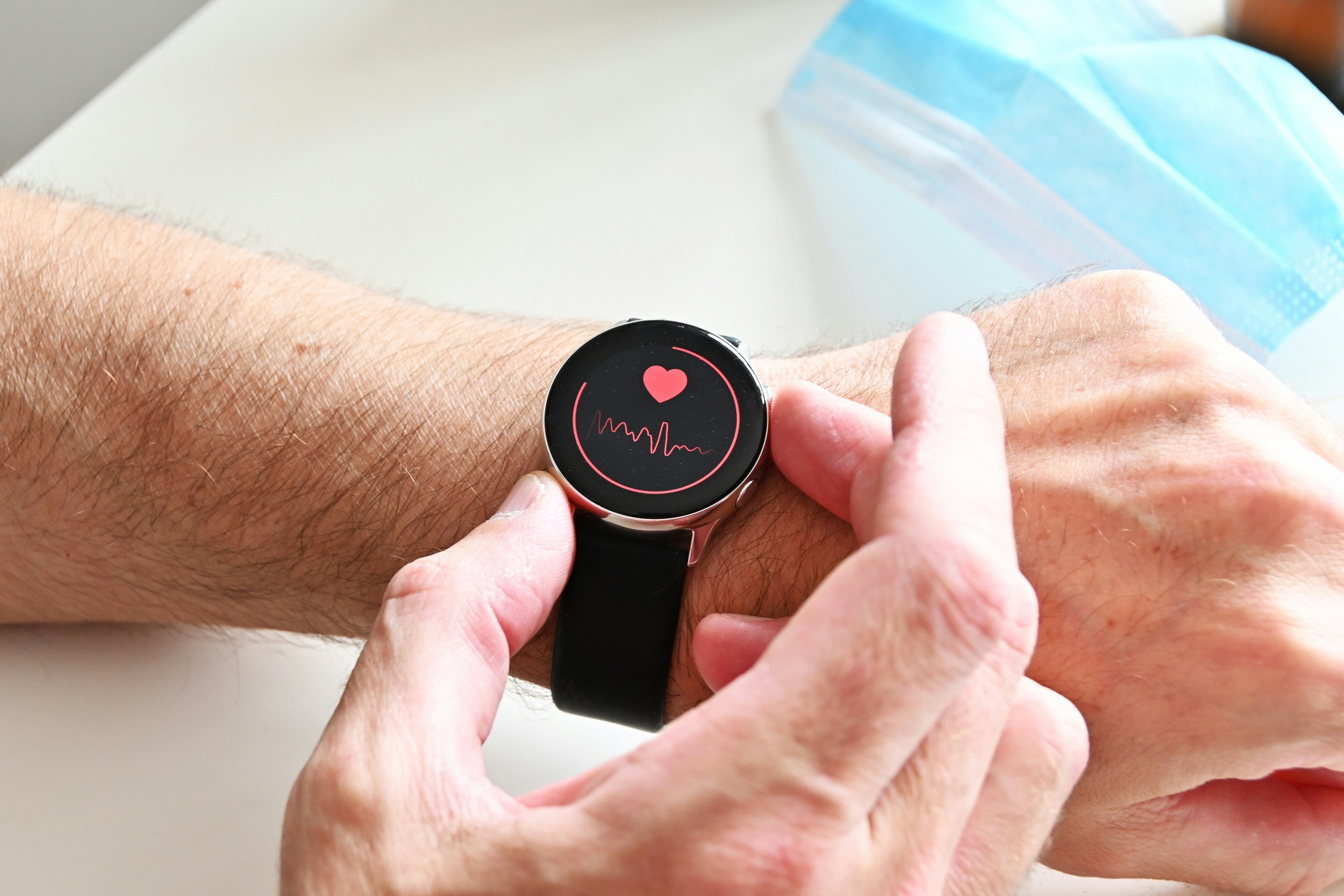
Many people also enjoy using wearable devices such as an Apple Watch or devices from Garmin to track distance, pace, and heart rate during walks. These tools can provide useful feedback and motivation, but they are not required to gain the benefits of regular walking.


An 8-Week Progressive Walking Program

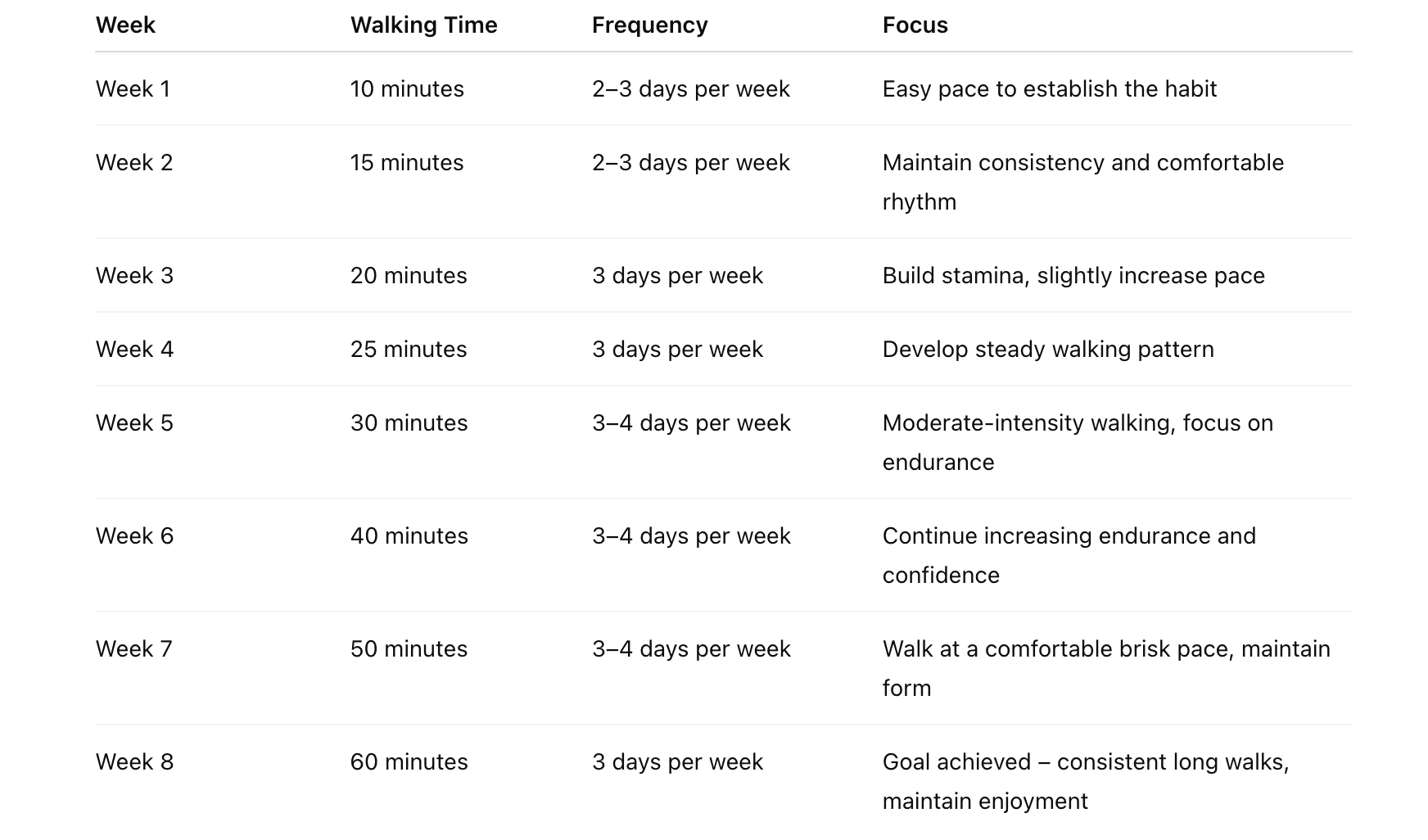
If you are starting from a lower activity level, gradually increasing your walking time is the best way to build tolerance and reduce the risk of injury. The goal of the following program is to progress slowly over eight weeks until you can comfortably walk for about 60 minutes.

In the early weeks, the focus is on building consistency and allowing your body to adapt to regular movement. As the weeks progress, both the duration and frequency of walks increase gradually. If any week feels too challenging, it is perfectly reasonable to repeat that week before progressing further. The program should feel manageable and enjoyable rather than overwhelming.

Many people find it helpful to start with 3-5 minutes at an easy pace as a warm-up and finish the walk the same way as a cool-down. If a full session feels too long at first, you can also split the time into two shorter walks during the day. The most important factor is building a routine that feels sustainable and enjoyable.


Footwear and Equipment Considerations

For most people, the only equipment needed to start walking is a comfortable, supportive pair of walking shoes. Good footwear can improve comfort and help reduce the risk of irritation or injury as your walking time increases. Look for shoes that provide cushioning, stable heel support, and enough room in the toe box for natural foot movement.

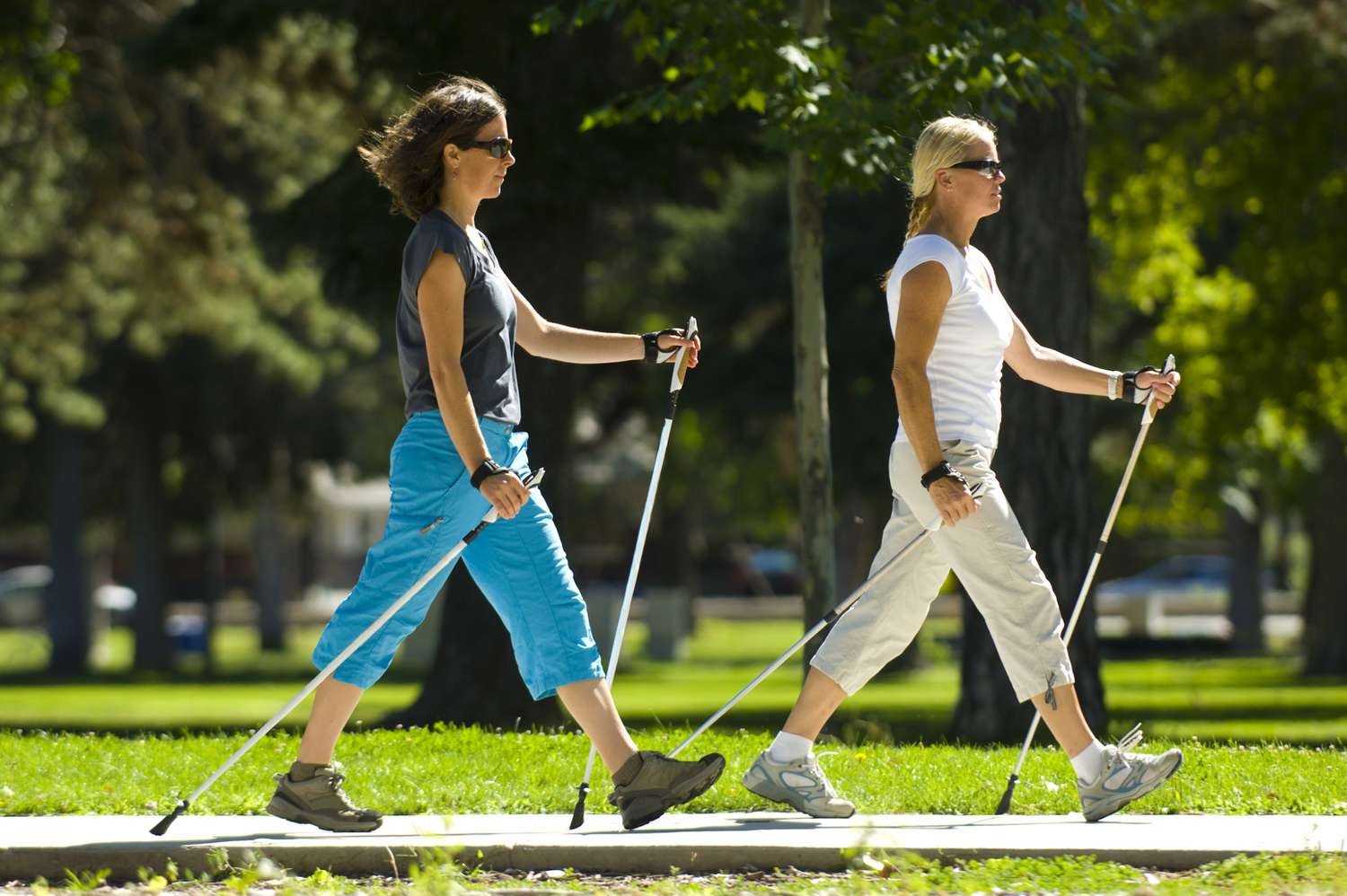
Some people may benefit from additional support depending on their foot mechanics or previous injuries. Orthotics—either over-the-counter or custom—can sometimes help with persistent foot pain, plantar fasciitis, or alignment concerns, though many individuals walk comfortably without them. Walking poles may also be helpful for improving balance, reducing joint load, or adding upper body involvement when walking on hills or uneven terrain.

For those who enjoy tracking their activity, devices like Garmin watches or the Apple Watch can provide feedback on heart rate, pace, and distance. While these tools can be motivating, the most important step is simply getting out and walking consistently.


Supporting Your Walking Goals

If you experience discomfort in your feet, knees, hips, or back while walking, it may be helpful to consult with a physiotherapist. Small adjustments to your walking mechanics, footwear, or training progression can often make a significant difference in comfort and long-term success.

At Port Alberni Physiotherapy, our team works with people of all activity levels to help them move more comfortably and confidently. We can assess your movement, address any injuries or limitations, and help develop a personalized walking or exercise program that fits your goals and lifestyle.

If you have questions about starting a walking program or would like help progressing safely, we would be happy to help. Feel free to book an appointment with our team and take the next step toward building a healthier, more active routine.

Physiotherapy for Real Life: How Port Alberni Physiotherapy & Wellness Supports Seniors, New Parents, Desk Workers, and Athletes

Physiotherapy for Real Life: How Port Alberni Physiotherapy & Wellness Supports Seniors, New Parents, Desk Workers, and Athletes

At Port Alberni Physiotherapy & Wellness, we understand that everyone moves through life differently. Some of our patients are focused on staying independent and steady as they age. Others are adjusting to life with a new baby while their body is still recovering. Many spend long days working at a desk and gradually feel stiffness creep in. And of course, plenty of people in our community are out hiking, training, and staying active in the sports and activities they love.

What all of these people share is movement—and the simple truth that our bodies are always adapting. Physiotherapy isn’t only for when something goes wrong. It plays a valuable role in staying mobile, strong, and confident at every stage of life. Through individualized assessment, hands-on treatment, and exercise programs designed specifically for you, our goal is to help you move better and live well.


Supporting Seniors

As we age, it’s completely normal for balance, strength, and mobility to change. Everyday tasks can feel more challenging, and concerns about falling may start to influence how active you feel comfortable being.

At Port Alberni Physiotherapy & Wellness, our work with older adults is centered around maintaining independence, confidence, and quality of life. We take time to understand how you move, your balance and strength, your fall risk, and what activities truly matter to you—whether that’s walking comfortably, keeping up with family, or staying active in the community.

Physiotherapy for seniors may include:

  • Progressive strength training to support joints and daily movement

  • Balance and coordination exercises to reduce fall risk

  • Gentle mobility work for better comfort and flexibility

  • Pain management strategies for arthritis and chronic conditions

  • Post-surgical rehabilitation after joint replacement or other procedures

  • Guidance on supportive equipment and mobility aids when appropriate

For many seniors, physiotherapy becomes a pathway back to meaningful activity—getting outside, staying social, and moving with more ease day to day.


Physiotherapy for New Parents

Pregnancy, childbirth, and parenting place big demands on the body—physically and mentally. Feeding, carrying, lifting, rocking, and caring for a little one can quickly lead to fatigue, aches, or strain, often while the body is still healing.

Postpartum recovery is important not just for moms, but for both parents, that includes you dads! Long periods of holding a baby, disrupted sleep, and repetitive movements can lead to back, shoulder, and neck discomfort for both parents.

Physiotherapy during this stage is about restoring strength, reducing pain, and helping your body cope with new demands as your baby grows and your body changes.

Physiotherapy for new parents may include:

  • Pelvic floor rehab and core retraining after pregnancy

  • Guidance on posture and body mechanics for daily baby care

  • Gradual and safe return-to-exercise planning

  • Treatment for back, neck, and shoulder pain

  • Education on lifting, movement strategies, and self-care

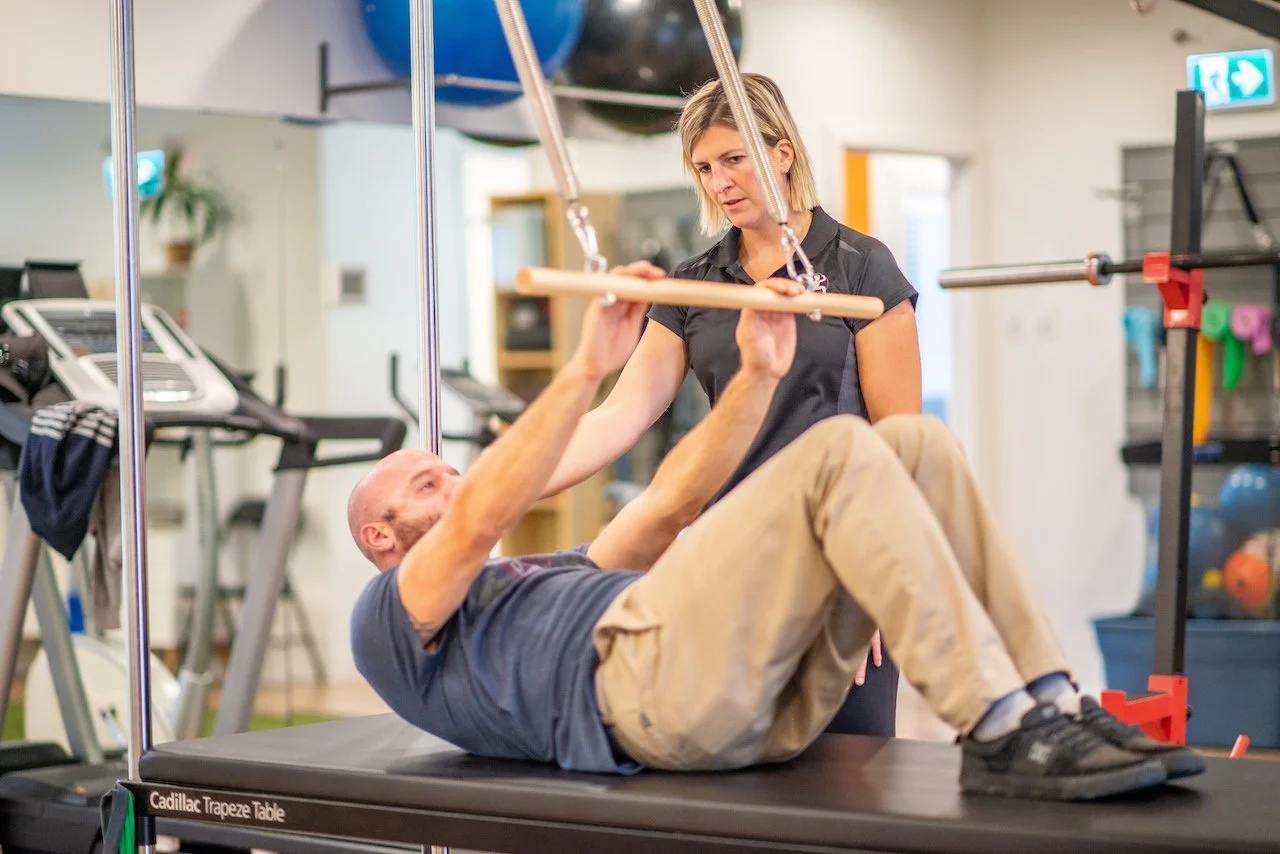
  • Clinical Pilates to help you return to activity

You don’t have to simply “push through.” Physiotherapy helps make this busy season more manageable and physically sustainable.


Desk Workers

Many people we see spend much of their day at a computer or workstation. Even with a good setup, long hours in one position can gradually lead to stiff necks, tight shoulders, headaches, sore backs, and tight hips. These issues often build slowly until they start affecting focus, comfort, and sleep.

Physiotherapy for desk workers focuses on addressing the real causes of discomfort—not just temporary relief. Hands-on treatment helps decrease muscle tension and improve joint movement, while exercise and education support long-term change.

Physiotherapy for desk workers may include:

  • Postural assessment and ergonomic guidance

  • Manual therapy to reduce stiffness and tension

  • Dry Needling / IMS when appropriate for persistent tightness

  • Strengthening for the neck, upper back, hips, and core

  • Movement strategies and simple micro-break routines

With the right approach, many desk workers experience real and lasting improvement—not just short-term relief.


Athletes

Whether you’re training for sport, staying active recreationally, or pushing your physical limits, your body works hard. With repetitive stress, training intensity, and occasional injuries, it’s important to support performance and recovery properly.

At Port Alberni Physiotherapy & Wellness, our approach with athletes looks beyond pain alone. We assess movement patterns, strength balance, flexibility, and how your body responds to training demands. Treatment blends hands-on care with progressive strengthening and sport-specific rehabilitation.

Physiotherapy for athletes may include:

  • Functional and biomechanical movement assessment

  • Sport-specific exercise and conditioning programs

  • Manual therapy for recovery and mobility

  • Load management and recovery education

  • Structured return-to-sport planning

Our goal isn’t just to get you back—but to help you return stronger, more resilient, and better prepared for what you love to do.


Individualized Care Matters

While seniors, new parents, desk workers, and athletes may seem to have very different needs, one thing remains the same: meaningful results come from personalized care. There is no “one-size-fits-all” program. Your treatment plan should reflect your life, your goals, and what your body needs.

At Port Alberni Physiotherapy & Wellness, we start by listening. We want to understand your day, your challenges, and what you want to be able to do better. From there, we work with you to build a plan that makes sense for your body and your lifestyle.

👉 Book your appointment today at portalberniphysiotherapy.ca or give us a call at 250-723-5112.

Physio-Approved Gifts: Health and Wellness on a Budget

Physio-Approved Gifts: Health and Wellness on a Budget

Looking for a thoughtful, health-focused gift this holiday season that won’t break the bank? We’ve got you covered! In this blog, we’re sharing a list of our favourite health and wellness items that are practical, budget-friendly, and high-quality—plus, they’re guaranteed to get plenty of use. Best of all, these products are physio-approved, so you know they are coming from a reliable source. We’ve included links to our top picks for easy shopping, but if you’re eyeing something else that didn’t make the list, feel free to ask us at your next appointment. We’re always excited to talk about anything that keeps people healthy and moving!


Foam Roller: 

Foam rollers are excellent tools for muscle recovery and relieving tension, perfect for home use and in between physiotherapy or RMT sessions. When selecting a foam roller as a gift, look for one with a smooth surface, unless a specific texture is asked for. Choose a roller made of high-density, quality foam for durability. Also, consider the size—rollers come in various lengths. Think about where and how it’ll be used: will it travel to sports events or mainly stay at home? A compact 12-18 inch roller is ideal for travel, while a 26-36 inch roller offers the most versatility for home use. 

Most Versatile on a budget: Amazon Basic Foam Roller

Best for Travel: GRID 13 Inches 

Best All Around:​​ GRID 26 Inches 


Resistance Bands: 

Resistance bands make a fantastic gift for the home workout lover or the family member who's always on the go. They’re lightweight and versatile, easy to pack for travel, and take up minimal space at home. With options in different materials, lengths, and shapes (long vs. circular), it can be tricky to choose the right one. For a simple, practical gift, we recommend a high-quality fabric looped band, which can easily add intensity to bodyweight exercises. Look for a durable fabric band with silicone strips to prevent slipping. For a great stocking stuffer, a bundle of varying resistance levels in elastic loop bands is a thoughtful, versatile choice.

Best for Lower Body: Polygon Fabric Resistance Bands (thick) or Peach Bands (thin)

Best Stocking Stuffer: Gritin Resistance Bands 

Most Versatile: Arena Strength Bands


Yoga Mat: 

If you’re buying a yoga mat as a gift, keep a few key features in mind. First, consider thickness—a mat that’s around 5mm or thicker provides extra cushioning, ideal for joint support during floor exercises. Next, look at the material. High-quality, eco-friendly options like natural rubber or TPE are durable and often offer better grip than standard PVC. Speaking of grip, a textured, non-slip surface is essential to prevent sliding, ensuring safety for poses and exercises. Lastly, think about size and portability. For those on the go, a lightweight, standard-sized mat with a carrying strap is ideal. For someone who primarily exercises at home, a thicker mat with extra cushioning is the crème de la crème.

Best Quality on a Budget: Gaiam Yoga Mat

Best All Around: Jade Yoga Mat

Most Versatile (Double Sided): Lululemon “The Mat” 5mm

Best Travel Mat: Jade Travel Mat 


Fitness App Subscription:

A fitness app subscription makes a fantastic gift! Popular platforms like the Peloton App , Nike Training Club, and Alo Moves offer a wide range of online classes guided by expert instructors. On days when motivation is low, having pre-made workouts ready to go can be a game-changer. These apps let users filter workouts by length (20, 30, or 45 minutes, etc.), equipment (like body weight or dumbbells), and even music style—making it easy and enjoyable to jump right in. Peloton and Nike Training Club are among our favourites for their user-friendly design, well-instructed workouts, and fantastic features. A one-year subscription could be the perfect way to keep your loved one moving all year round.


Athletic Socks: 

We get it… socks as a holiday gift may seem a little lame. But for a fitness fanatic, high-quality athletic socks are actually a fantastic gift! They’re one of those items people rarely buy for themselves, which makes them a thoughtful, practical choice. If your family member enjoys Barre or Pilates, look for specialty grip socks to help them move easily in class—it’s a small touch that shows you notice their hobbies and want to support them. For the runner or gym goer in your life, breathable socks with extra cushioning are a winner, providing comfort and support. 

Socks for the Millenials: Lululemon Power Stride Socks 

Best Crew Socks: Gym Shark Crew Socks

Best Pilates / Barre Sock: Happy Full Foot Sock


If you're searching for local holiday gifts, feel free to give us a call (250-723-5112) or check out our social media platforms (Instagram and Facebook) for more ideas. We have a variety of items in stock, including Biofreeze, TENS machines, water bottles, Pilates and yoga equipment, and sports tape—perfect for stocking stuffers or last-minute gift ideas.